

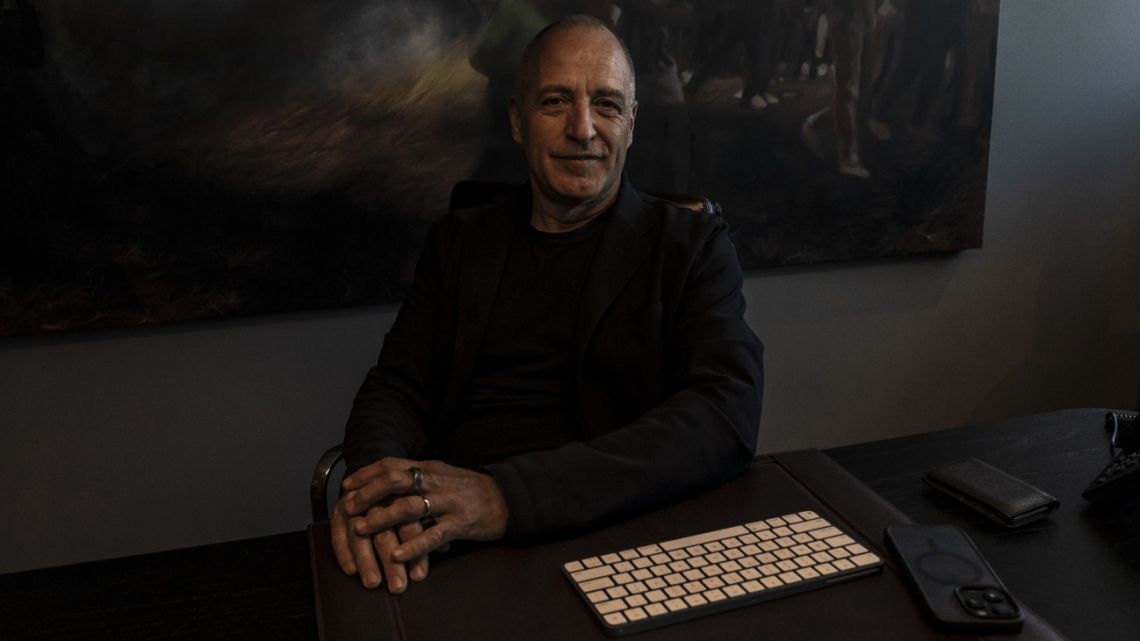
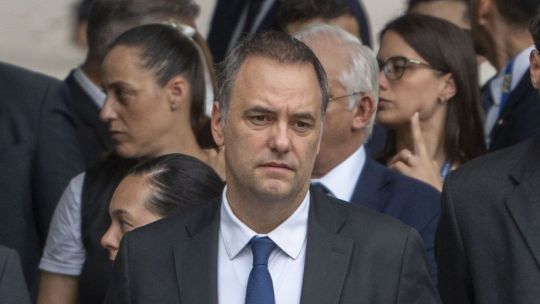
After years trading securities in New York for Oppenheimer & Co and Morgan Stanley, Esteban Nofal’s hunt for returns has brought him home to Argentina.
President Javier Milei’s mission to move the country to a free market is laying a path for contrarian investors like Nofal, as the shifting economy leaves some companies in ruins while spurring an extended period of deal flow in oil and mining.
Nofal is currently trying to turn around Celulosa Argentina SA, a century-old pulp and paper maker that filed for bankruptcy protection, blaming its collapse on the business climate under Milei.
He acquired a controlling stake late last year for US$1 and is negotiating with Celulosa’s creditors as his investor group injects fresh capital and weighs long-term expansion. The 59-year-old acknowledges the risks but says he knows a deal when he sees one.

“If you are born in Argentina and care about finance, distress is what you breathe,” Nofal said. “To me, the best asset you can have as an investor is buying cheap.”
Nofal spent only a month looking into Celulosa before reaching an agreement. The day he signed, the CEO received a call from a group that had been doing due diligence for the previous five months, saying that they were ready to make a deal. But they’d taken too long.
“A lot of people that manage money have that attitude toward private equity in countries like Argentina,” Nofal said in an interview at the offices of his fund, Cima Investments SA, in Buenos Aires. “You can’t be someone that consults advisory firms. You need to be nimble. You need to make decisions on the hour.”

Nofal said he’s happy with how the early stages of the takeover have gone and expects Argentina’s economy to improve soon, providing a boost. Although oil, mining and finance are booming under Milei, other industries like manufacturing have shrunk and unemployment jumped to 7.5 percent at the end of last year.
Just months before the Celulosa deal, Nofal swooped in on the biggest corporate default in Argentine history – acquiring hundreds of millions of dollars of crop exporter Vicentin SAIC’s debt, when measured at face value. Vicentin, another of Argentina’s historic agriculture companies, had gotten caught flat-footed in 2019 by one of the country’s notorious currency runs.
Cima paid the banks 11 cents on the dollar – just US$50 million – and allied with a top local grains brokerage that’s taken ownership of Vicentin and is rekindling assets that include the world’s biggest plant for processing soybeans.

Nofal, the son of a co-founder of influential sports media company Torneos, started out as a floor trader at the stock exchange in Buenos Aires before landing a job in the early 1990s at Banco Frances, during a wave of market reforms that ended in the 2001-2002 economic crisis.
Gerardo Noejovich was on the equities desk at Goldman Sachs Inc in New York when Nofal, then in his twenties, made him a pitch that involved swapping Argentine sovereign bonds trading at a heavy discount for stock in oil company YPF SA. “We did what might have been my best trade ever,” Noejovich said.
When Banco Frances rejected Nofal’s idea to open an asset management arm, he uprooted his family to take an offer from Oppenheimer in New York. His team later migrated to Morgan Stanley.

Noejovich, now managing a private fund, would go on to work with Nofal at Morgan Stanley and at Cima, where they made handsome returns with regular investments in distressed debt and took short market positions in the run-up to the 2008 financial crisis.
“He comes up with very prescient remarks that are totally out of the box,” Noejovich said. “He taught me to think about the US and the world at large in a different way.”
As Nofal became increasingly drawn to distressed assets, he realised that he’d had no better foundation than growing up in volatile Argentina.

Nofal invested in Venezuelan bonds when they were worth a few cents, and sold half of his position – reaping gains of up to 300 percent – as they jumped after leader Nicolás Maduro was removed from power in January. He is now eyeing Argentina’s shale oil and gas boom, which has accelerated under Milei.
“All these oil developers are going to spend a lot of money and they need steel, construction, pipes. So we’re looking into medium to small companies that provide services,” he said.
Nofal said that even though these targets aren’t distressed, decades of broader economic difficulty in Argentina that kept M&A to a minimum have depressed valuations. Aging business owners without succession plans are now creating openings as Milei’s bet on Argentina’s shale patch drives transactions.

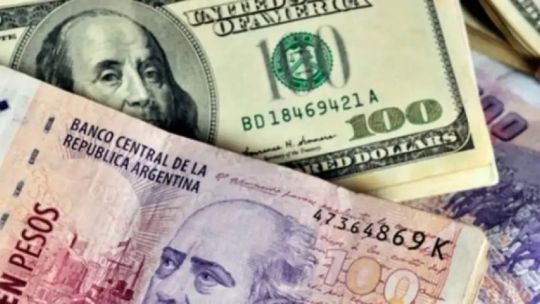
Nofal spends much of his time at La Pebeta, his organic farm and restaurant outside Buenos Aires, where he’s watching the economy get reshaped yet again. While opportunities abound under Milei, Nofal is wary of the well-documented pressures of a strong peso currency.
“At the end of the day, why can’t Celulosa make money? Because of the currency,” he said. “It doesn’t help to be the most expensive country, probably, in the world for what you get.”
by Jonathan Gilbert, Bloomberg








Comments