


The March 27 ruling by a New York court overturning the sentence of a lower Manhattan instance obliging Argentina to pay over US$16 billion to hedge funds in compensation for the botched 2012 nationalisation of YPF oil company was an almost unique case of giving both President Javier Milei and Buenos Aires Province Governor Axel Kicillof occasion to cry victory (as well as being an awkward triumph for both) – in many ways it also marks the beginning of the 2027 presidential race.
An awkward triumph for Milei because while he could boast of having saved Argentina from a massive legal and macro-economic headache destroying the country’s reputation in recent years with the extra bonus of rubbing in Kicillof’s responsibility for the mess, he could only do so judicially by allowing his Peronist rival to come across as having done nothing wrong when his real motive was, of course, a total aversion to paying up US$16 billion shattering his fiscal surplus and Central Bank reserves – an absurdly high sum (more than trebling the total value of YPF at the time of the recently overturned sentence in 2023), which did not help the case of the hedge funds. Hugely paradoxical that Milei should celebrate the recognition of the legality of a Kirchnerite nationalisation as a triumph of his own.
But also an awkward triumph for Kiciloff because while the Court of Appeals for the Second Circuit seemed to uphold his logic that Congress law and the National Constitution prevail over company statutes, he cannot easily dodge the fact that the whole muddle arose from his idea of nationalising at half-price by blithely ignoring the statutory obligation to extend takeover bids to minority shareholders. And while now standing judicially vindicated, reviving memories of this case does not redeem Kirchnerism when entering deeper into details – while Kicillof claims to have salvaged YPF from neglect by Spain’s Repsol, he does not add how populist fuel pricing discouraged investment, leading to costly energy deficits throughout the Kirchnerite presidencies or how the Eskenazi bankers of the Kirchner family were given a quarter of YPF shares to be paid by future dividends (then hugely boosted at the expense of investment).
Last but not least, an awkward triumph for the country as a whole because while Argentina saves a sorely needed US$16 billion, the fact that a Kirchnerite nationalisation can end up being vindicated by a New York court is not a message likely to give overseas investors much confidence since the latest ruling effectively sidesteps the protection offered by the YPF bylaws, even if business chambers generally hailed it as boosting legal security while it also helps a country risk under pressure from other sources due to the fallout from the Iran war. In some ways the Second Circuit court had little choice but to defer to foreign sovereign law because ruling otherwise would be an open invitation to use United States courts to chase huge damages based on skewed interpretations of laws elsewhere. Public law overrides private law is the core of this recent decision, thus undercutting investor protection, so that the triumph so exuberantly celebrated by Milei (joined by Kicillof) might actually backfire in terms of encouraging investment into YPF.

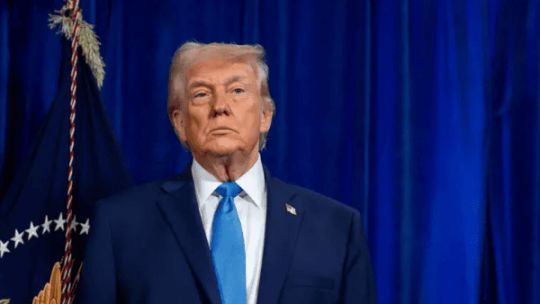
Milei is more than happy to share the credit for this massive success with US President Donald Trump, even if there is no direct evidence of Washington having dictated this ruling beyond being an amicus curiae – furthermore, the stance of all US administrations in this case, whether Democratic or Republican, has been as consistent as Argentine governments. But while Trump could be perceived as coming to Argentina’s rescue yet again, as he did with the currency swap ideally timed for the October midterms, in a much wider world he is causing huge problems for the country. While the disruptions from a blocked Strait of Hormuz in retaliation for Trump’s attacks on the Iranian leadership could send commodity prices soaring with a bonanza in the medium term, given the country’s geopolitical structural advantages, the problems stand to be more immediate in the form of the pressures on an inflation which has long stopped falling in a country which moves on wheels. Wages are already dropping behind that inflation, depressing consumer markets into stagflation, while profit margins are suffering.
Milei and Kicillof might fight for the credit for a historic ruling but is not the real hero of Argentina’s growing energy surplus quite simply Vaca Muerta shale?










Comments