

Except for Donald Trump’s intervention in Venezuela, which was strongly supported by President Javier Milei’s government and not much more opposition than posts of condemnation of Washington's intervention, Argentina’s political leadership seems to have decided to take a summer holiday. Given such relaxation, somebody could cheekily point out: “If they don’t work during the year, what can be expected in January?”
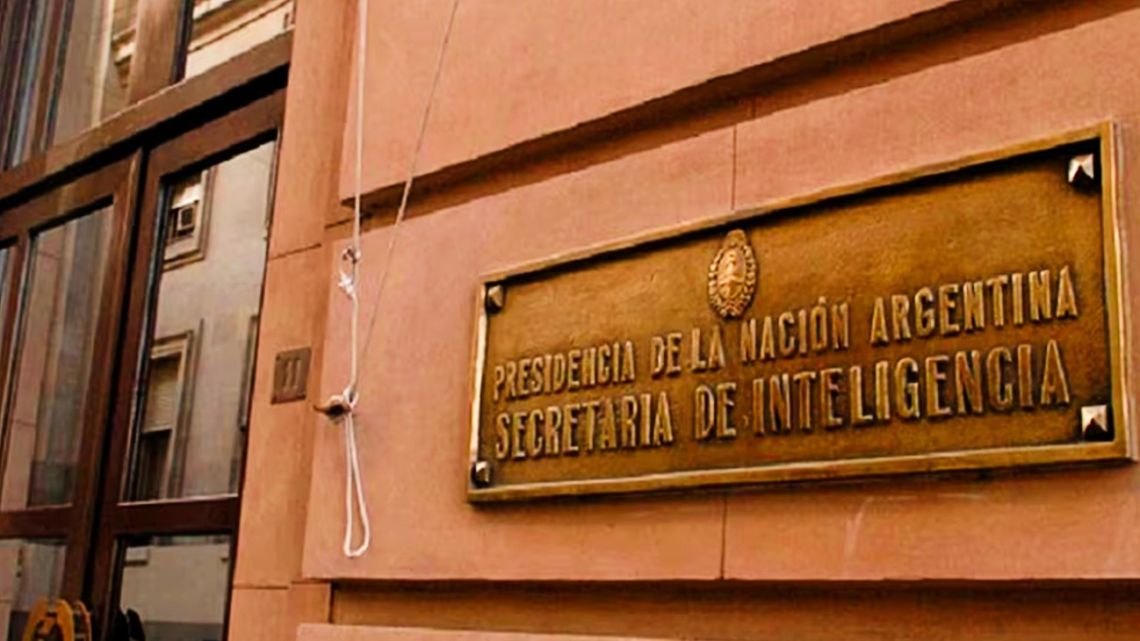
The Milei government is enjoying this calm more than anybody. It maintains its logic of taking the initiative, although at a notably slower pace than to which we have become accustomed. Might they be taking advantage of the summer lethargy to launch a highly controversial decree to expand the powers of the intelligence services at the Secretaría de Inteligencia de Estado (SIDE)?
Milei’s recent decree cannot be a coincidence. To the tense infighting within the ranks of espionage and the government attempts to control SIDE (with the super-sister Karina trying to advance on that stronghold of super-advisor Santiago Caputo) can now be added a controversial DNU emergency decree in the midst of the court holiday and Congress hiatus.

Those questioning that new government norm should not entertain many illusions that it can be repealed by the Legislative Branch. The new make-up of the caucuses in both the Lower House and Upper House following the results of last October’s midterms make rejection of the DNU in both chambers, as required for its cancellation, improbable.
The only legislative “betrayal” of La Libertad Avanza by PRO – when in 2024 they joined the opposition in overturning a government decree to pad the SIDE budget – has been consigned to the past. We are now living in different times. Now it remains to be seen if some judge dares to halt this new DNU, especially in a month when courtrooms are on standby for emergency cases.
To date, four lawsuits in different courtrooms have been presented to declare Milei’s decree empowering local espionage yet further and adding uncontrolled multi-million funds null and void or unconstitutional. It seems the presidential chainsaw has mutated into a blunt knife.

Perhaps there is a judge who dares to halt the SIDE advance. Nothing is impossible in a country like Argentina. But let’s just say that it would be a surprise for two reasons.
On the one hand, courtrooms unconnected to the murky cellars of democracy, above all in federal courtrooms, where at times SIDE is far from functioning as assistants of the magistrates but rather the reverse. Examples abound. But even if piercing such a delicate filter, courtrooms not afraid of possible reprisals by the services must be found. Examples abound – and not only in the courtrooms.










Comments