

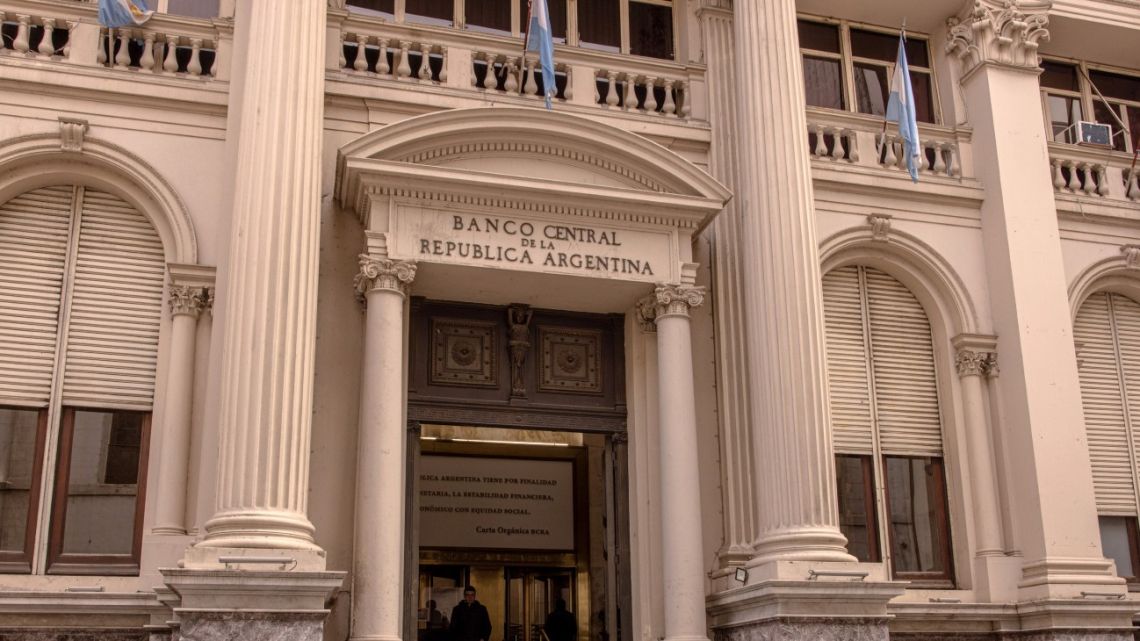
Less than halfway through the year, Argentina’s Central Bank has surpassed its US$10-billion target for dollar purchases, fuelled by a record crop harvest, an energy boom and a surge in debt issuance by provinces and local companies.
The monetary authority bought US$43 million Wednesday, according to official figures, enough to push purchases beyond the goal policymakers set in December. Daily interventions began at the start of this year.
Measured by volume, Argentine exports have reached an all-time high under President Javier Milei, 17 percent above the previous peak in 2022, according to Barclays, with energy exports up 92 percent. Rising oil production in Patagonia has flipped Argentina’s energy deficit into a surplus, providing more hard currency year round too. Provincial governments, meanwhile, are tapping global bond markets at the fastest pace in nearly a decade.
The stronger-than-expected inflow of foreign currency has allowed Milei to meet debt obligations without returning to international capital markets, easing one of investors’ main concerns: that even after the La Libertad Avanza leader erased a chronic fiscal deficit and tamed runaway inflation, the government might still lack the dollars needed to pay bondholders.

“The pace of FX purchases since the reserve accumulation programme began in January has been remarkable,” Barclays Latin America economist Ivan Stambulsky wrote in a June 2 note to clients. “This ranks among the strongest USD purchase streaks of the past 25 years.”
Despite the record dollar purchases, Argentina’s net reserves – the difference between the Central Bank’s assets versus its short-term liabilities – haven’t improved significantly. Milei has so far refused to tap international markets, citing high borrowing costs, meaning the dollars have flowed back out to service debt. That helps explain why Argentina still missed its net reserves target in last month’s second review of its US$20-billion programme with the International Monetary Fund.
In 2027, Milei faces more than US$30 billion in debt payments. Economy Minister Luis Caputo has repeatedly said all upcoming obligations are covered by financing that has not yet been made public, but the election is still set to test the peso’s newfound stability.

While Central Bank data shows total foreign reserves stand slightly above US$48 billion, net reserves at market prices hover around US$3 billion, according to Ramiro Blazquez, an analyst at StoneX Securities in Buenos Aires.
“The relevant target is net reserves,” Blazquez said. “Those are the reserves you can use eventually to stem a currency run during the electoral year, so further building up reserves would be wise.”
As the Central Bank accelerated its dollar purchases, sovereign bond spreads narrowed and are now near their lowest levels under Milei. Fitch Ratings upgraded the country’s debt last month, citing improved prospects for reserve accumulation.

“The milestone highlights Argentina’s significant progress in strengthening its external resilience, one of the areas of the macroeconomic program that had remained vulnerable through 2025,” said Jimena Zuniga, Argentina economist at Bloomberg Economics. “It is also encouraging that these purchases are taking place against the backdrop of a robust current account.”
by Manuela Tobias & David Feliba, Bloomberg













Comments