


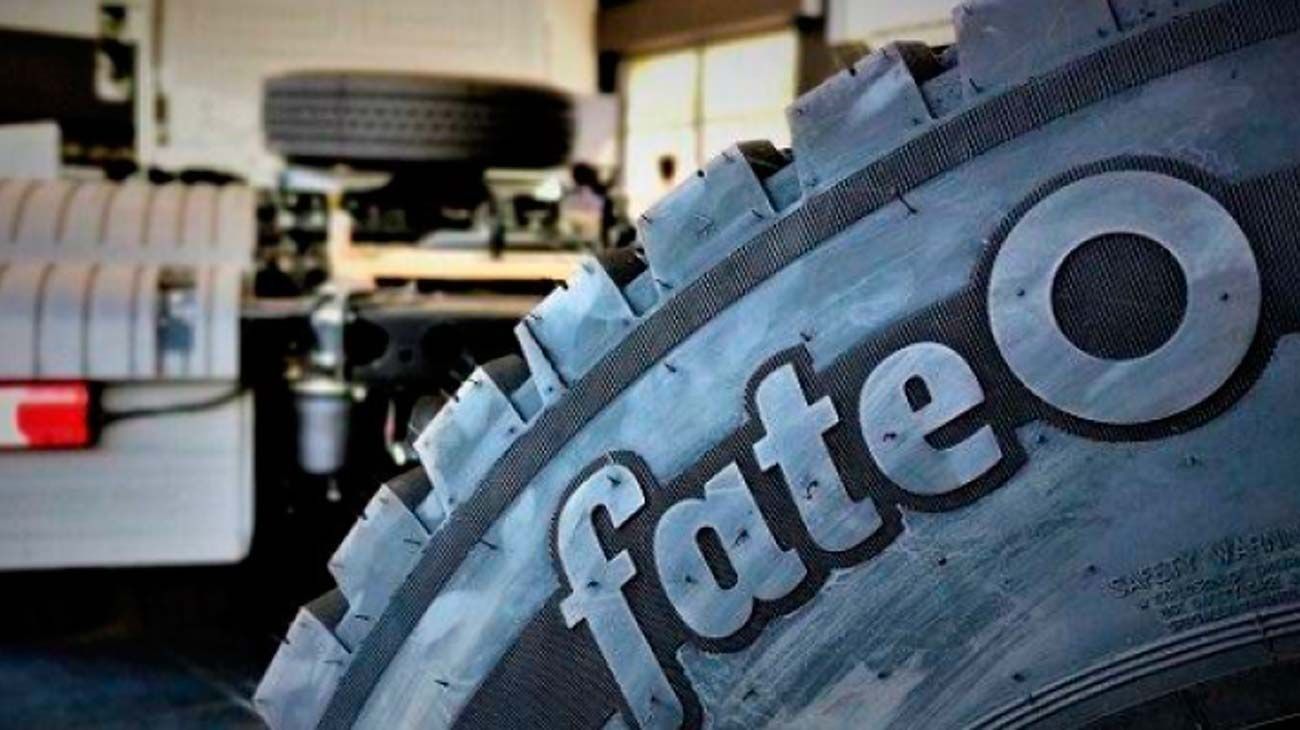
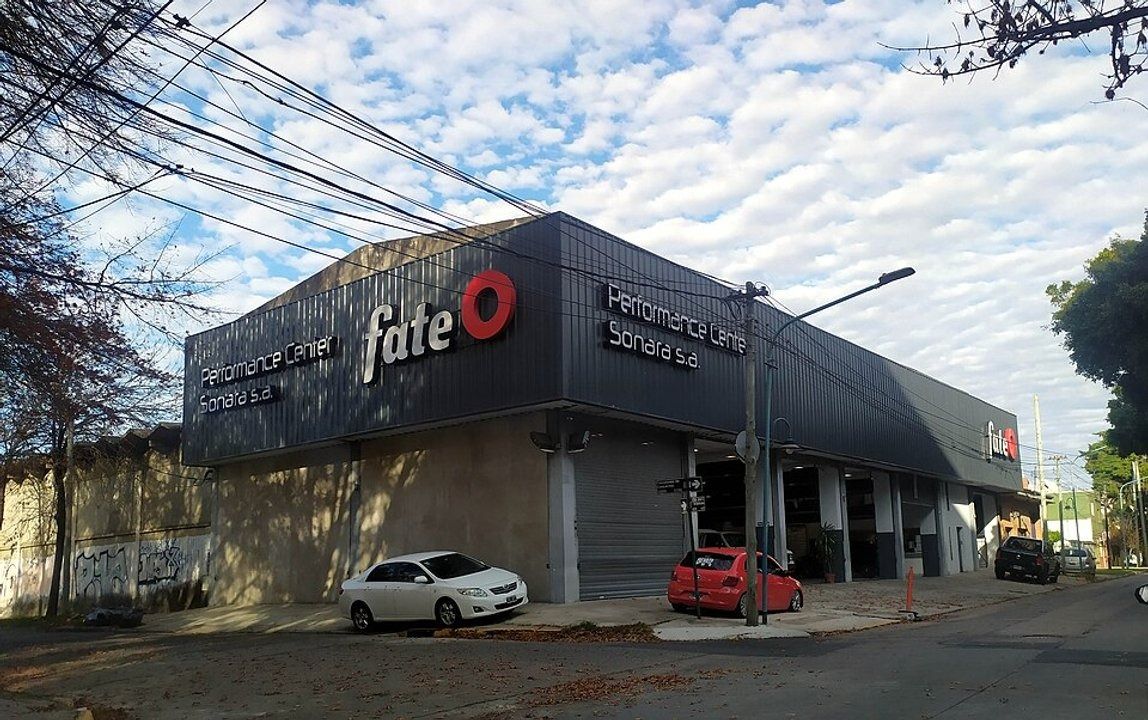
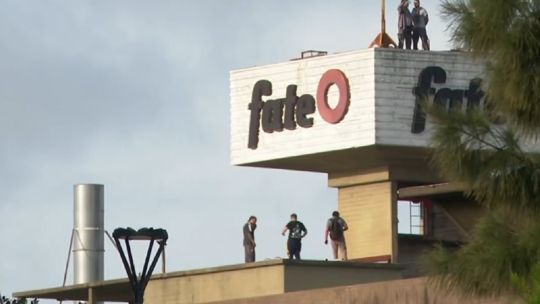
Argentine tyre manufacturer Fate has announced the “immediate and definitive" closure of its massive industrial plant in Buenos Aires Province, leaving 920 workers jobless.
“Fate S.A.I.C.I. announces that, as of today, operations at its industrial plant in Virreyes, San Fernando district, Buenos Aires Province, have ceased,” said the company in a statement issued Wednesday.
The plant, the largest in the country, produced more than five million tyres a year. The closure comes amid a major crisis in Argentina’s industrial sector linked to the trade liberalisation policies of President Javier Milei’s government, which has led to a surge in imports.
Commercial operations will also cease, said the firm. Fate had previously initiated a preventive crisis procedure earlier this year.

Reacting to the news, Argentina’s Labour, Employment & Social Security Secretariat said it had called a midday conciliation hearing between the owners of Fate and the Sindicato Único de Trabajadores del Neumático Argentino (SUTNA).
Fate said that it will pay all outstanding wages, statutory redundancy payments and current debts on Thursday.
Fate blamed its decision to shutter the plant on “changes in market conditions” that “require us to address future challenges from a different perspective, without ceasing to value the industrial vocation that has always defined us.”

The company, owned by the Madanes Quintanilla family, stressed that this is not a court-supervised restructuring process nor a rescue plan, but a total shutdown involving the liquidation of assets and the payment of statutory redundancy and other legal entitlements.
Sources close to the firm, quoted by the Noticias Argentinas news agency, said: “It is a definitive closure and everyone will be paid what they are owed – employees, suppliers, banks. Everything will be liquidated and the shutters will come down.”
Currently, around 75 percent of tyres sold in Argentina are imported. In May alone last year, 869,525 units entered the country – the highest monthly figure in two decades – mostly from Asia. In response, prices of domestically produced tyres fell by between 15 and 40 percent, squeezing profit margins.

According to estimates by the private consulting firm PxQ, between 2023 and 2025, tyre imports increased by 34 percent and domestic prices fell by 42 percent.
Decline

Fate said that it had been in sustained decline since May 2024. It said the impact of Chinese imports, as well as a combination of high tax burdens, foreign exchange restrictions and a lack of export incentives had left the company at a disadvantage compared with regional and global competitors.
“Over more than eight decades FATE built industrial leadership based on sustained investment, advanced technological development and an unwavering commitment to quality,” said the company in its statement, noting that it was the only national producer of radial tyres for transport, with exports to Europe, the United States and Latin America.
Fate said it had generated quality employment, developed local suppliers, exported technology and contributed to the country’s productive fabric. “That identity defines us and will accompany us in the challenges ahead,” it said, expressing “deep gratitude” to employees, customers and suppliers.

Following the closure, businessman Javier Madanes Quintanilla will focus on his other ventures, including aluminium production through Aluar, reported local media.
In a 2024 interview, Quintanilla described the austerity programme promoted by the Milei administration “the harshest in history,” claiming that there was insufficient support for Argentine companies.
“I have great respect for foreign investment, but the conversation with the CEO of a multinational operating in Argentina is very different from that with someone with a long-standing track record in the country. Sometimes I sense a certain disregard for national capital,” he said in an appearance on La Fábrica del Podcast.

The SUTNA (Sindicato Único de Trabajadores del Neumático Argentino) tyre workers’ union, has carried out multiple strikes in recent years, including a nearly three-month stoppage in 2022 with blockades at the plants run by Fate, as well as international competitors Pirelli and Bridgestone.
Clashes with labour leaders have escalated in recent months, straining ties with unions, with the company complaining of low productivity.
Alejandro Crespo, SUTNA’s general secretary, entered the plant with at least 10 other employees following the announcement. He said workers were “demanding the reopening of the company” and described the closure as “sudden and completely illegal.”

“We are going to do everything we can to get the factory reopened. A solution is possible,” said Crespo.
Buenos Aires Province police intervened and detained the union leader, stating in an official communication that the action was intended to prevent workers from occupying the plant.
Crespo joined Fate in 2004 after his father retired following 40 years at the company. He later rose to prominence during the 2022 dispute that paralysed the tyre industry and has been aligned with the left-wing Partido Obrero (PO), participating in assemblies and party congresses.
‘Deep concern’
In a statement, the Unión Industrial Argentina (UIA) chamber group expressed “deep concern” over the closure of the FATE plant and warned that the episode forms part of a broader process of deterioration in the manufacturing sector.
Fate is “a nationally owned company with decades of experience in Argentine industrial development and a generator of employment, technology and local value chains,” said the UIA statement, underlining the impact of shutting down a production facility.
The UIA noted that behind the closure of a factory “there are workers, families, suppliers, hauliers, associated PyMES [small and medium firms] and entire communities that depend on that productive hub.”
As of November 2025, industry had lost almost 65,000 jobs over the previous two years, equivalent to a 5.4 percent decline in sectoral employment, said the UIA.
Industriales Pymes Argentinos (IPA) described the closure of Fate and the loss of more than 900 jobs as “a warning sign about the delicate situation facing the national productive fabric.”
“Each company that closes is not just a statistic: it is productive capacity that is lost, investment that is paralysed and employment that disappears,” the group said.
News of the plant’s closure comes as the Milei administration seeks to push through a controversial labour reform bill that would restructure and reduce severance packages, permit payment in kind (goods or services), extend the working day to a potential 12 hours and restrict the right to strike, among other measures.
The CGT, Argentina’s main labour federation, has called a strike for this Thursday to mark its rejection of the changes. It is yet to confirm if a rally will also be staged.
“What is happening at Fate is part of the failure of this government's economic programme. We are not willing to give up the gains made by the labour movement," Cristian Jerónimo, co-leader of the CGT labour union, said Wednesday.
– TIMES/PERFIL/NA
related news

Image Gallery








Comments