

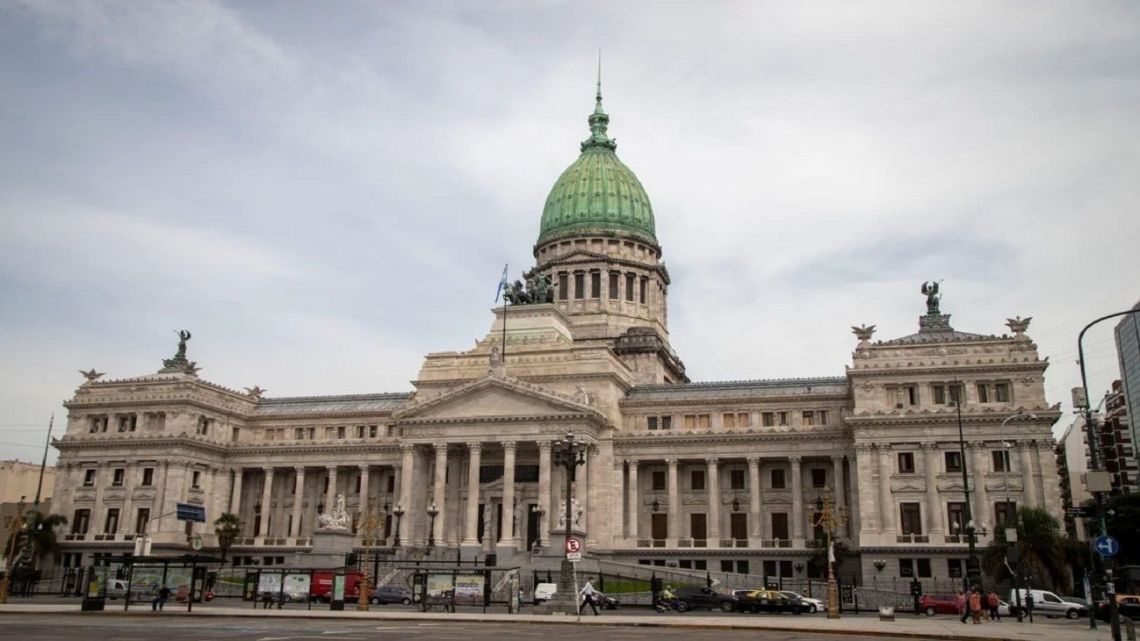
President Javier Milei’s latest push to lure private investment to Argentina suffered a setback Wednesday as lawmakers watered down legislation to ease limits on foreign land ownership in response to fierce backlash.
The bill will still head to the Senate for a vote Thursday, but without a key chapter that would have increased a cap on how much rural territory foreigners may own, according to a statement from Milei’s top senator, Patricia Bullrich.
Protesters are expected outside Congress to push back against the legislation, which was already delayed last month and is seen by some citizens as selling off the country. The combination of public uproar and Milei’s approval ratings lingering near the lowest level of his Presidency appear to have forced his government to withdraw the most contentious measures.
Labour unions and opposition leaders are summoning their supporters to the streets, while pop stars, football players, actors and other public figures have piled on, accusing Milei’s government of trying to reap profit from Argentina’s land.

The national team’s World Cup match against England last month also stoked patriotic fervour, reviving tensions in a decades-long territorial dispute over the Falkland Islands, the UK-controlled archipelago off the Argentine coast known locally as Las Malvinas.
Milei’s original bill, introduced in March, eliminated caps on foreign land ownership, from a current limit of 15 percent. A version introduced this week raised the limit to 25 percent at the national and provincial levels, but that portion of the bill has been shelved now.
The surviving parts of the legislation would expedite evictions, ease property recovery after the state takes ownership and remove land-use restrictions after fires. The decision came after a Wednesday afternoon meeting of Senate bloc leaders representing the 44 senators from Milei’s party and its allies, out of the chamber’s 72 members.

“The decision was adopted unanimously among the members of the space in order to keep working on this chapter and reach a greater level of consensus,” Bullrich’s press office said in a statement. “The postponement does not represent its elimination.”
The property bill was seen by some in the government as a bellwether for an electoral reform that seeks to eliminate, or at least suspend, primaries during the 2027 election.
Markets are paying close attention to that reform as it’s expected boost Milei’s chances of re-election and reduce the market volatility that typically shakes Argentina’s economy throughout the prolonged electoral period.
related news



by Manuela Tobias, Bloomberg











Comments