

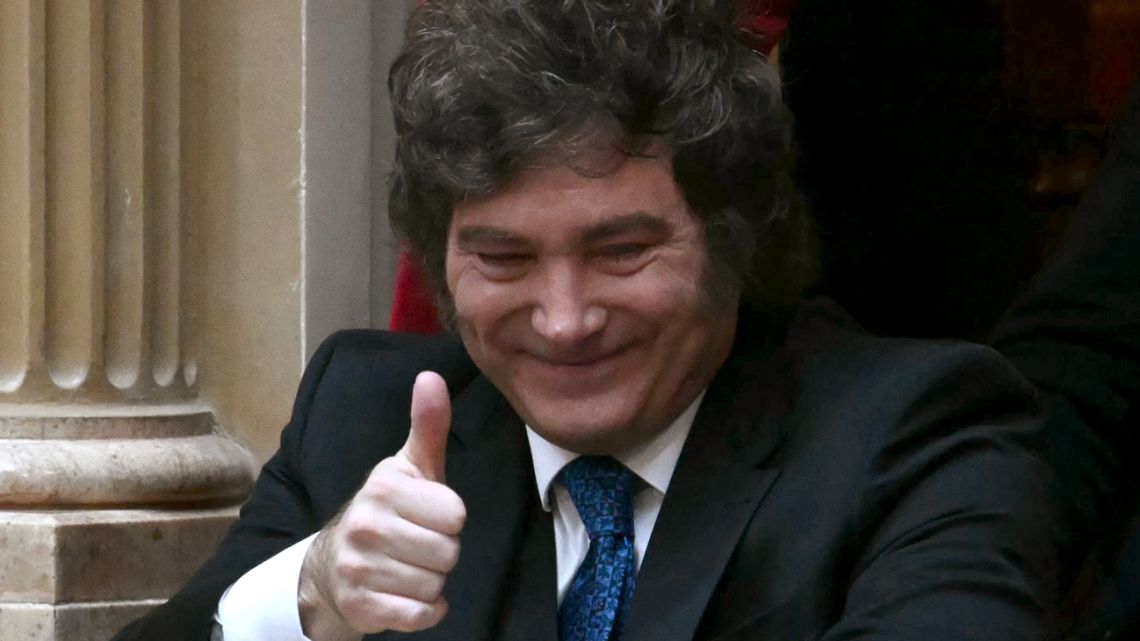
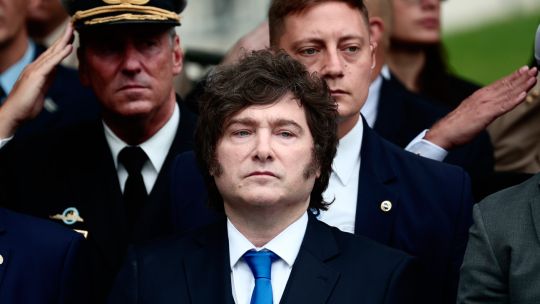
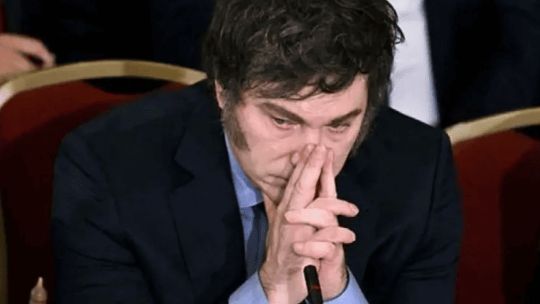
A dark cloud is gathering over Javier Milei. His approval rating has hit a new low, stubborn inflation and weak activity data have soured the public mood and a string of scandals involving Milei and his inner circle has pushed the government onto the defensive. If third years in office are often a minefield in Argentina, they are even more so for a trash-talking president with scant empathy who has accumulated enemies at an impressive rate. Is it finally time to short the world’s most famous anarcho-capitalist president?
And yet, despite his sliding popularity and an odd habit of scoring own goals, I still see Milei remaining in a strong position to fight for re-election next year. A recovering economy – uneven across sectors but growing – alongside an improved macro backdrop and the President’s timely knack for pulling rabbits out of a hat remain powerful cards for the incumbent, particularly while the opposition stays divided and confused. Underestimate Milei at your own peril.
The current moment carries a strong whiff of déjà vu: in September, after a bruising local election defeat, Milei also looked to be in serious trouble amid a run on the peso and rising political risk. A surprising intervention by the US Treasury, secured through the government’s close alliance with the White House, helped to calm markets before a stronger-than-expected showing by Milei’s party in the October midterms.
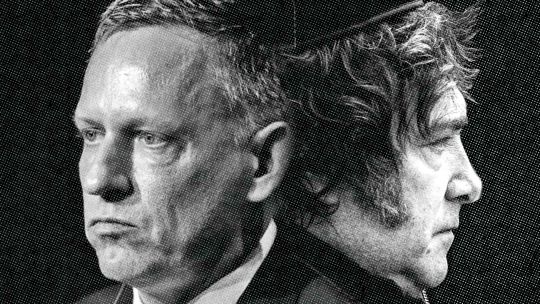
The President’s latest rabbit is none other than billionaire tech utopian and fellow libertarian Peter Thiel. Just as Milei seemed inundated by scandals, news leaked that Thiel was spending time in Buenos Aires, splashing US$12 million on one of the city’s most iconic mansions. The message was clear: what better endorsement of Milei’s experiment than one of the world’s top tech entrepreneurs setting his sights on the country? Thiel reinforced that message by meeting Milei at Casa Rosada, an encounter the president called “marvellous.” Whatever the motives behind the tycoon’s appearance (including his obsession with survivalism and rumoured investments in Patagonia), it sparked feverish speculation and helped the government change the conversation at a crucial juncture.

None of this is to underestimate the burden Milei faces. Polls suggest that, unlike earlier in his Presidency, Argentines are now more worried about jobs, wages and affordability than inflation, which has risen faster than salaries for four consecutive months. All this forces the economic team to rethink its policy mix. The harsh fiscal and monetary discipline of Milei’s model – which favours the flourishing of Argentina’s highly competitive natural-resource complex, including agriculture, energy and mining, at the expense of labour-intensive industrial and tradable sectors – carries political risks. It benefits the heartland while hurting populous urban centers, particularly Greater Buenos Aires, home to the country’s largest electoral district, with greater mobilisation capacity, historic ties to Peronism and louder media megaphones.
Fortunately for the government, the next few months are set to bring better news thanks to this year’s record crop, which should provide some relief for urban centers alongside a renewed disinflation process. GDP is still expected to expand between three percent and four percent in 2026 and 2027, which would mark a third consecutive year of growth, something Argentina has not enjoyed since 2008. For all the noise and contrarian bets, the country’s macro position has improved significantly: short-term financing needs appear covered, international reserves are recovering, the first quarter even showed an uptick in foreign investment and the government remains committed to its fiscal-surplus anchor. Exports rose 30 percent annually in March, delivering Argentina’s biggest first-quarter trade surplus ever, while the current-account deficit remains manageable. More remarkable still, a country once synonymous with vulnerability to global shocks is navigating war in the Middle East without major damage to its currency or bond prices.
I know this may sound like economics viewed from 30,000 feet, and macro success does not always align with sentiment on the streets. But those gains will sooner or later reach the average Argentine. Plus, the government now enjoys a healthy working majority in Congress.

Milei’s weakest link remains politics. If the challenge is to bridge an economic transition that is taxing the public’s patience, the President should project serenity and focus on selling the brighter future awaiting the country. On any given day, Argentines are anxious, impatient and prone to sharp mood swings; the last thing they need is a leader who amplifies those traits or takes pompous victory laps when the match is far from over. Take inflation, for example: History suggests it will take years for Argentina to return to single-digit price increases. There is little point in promising the instant elimination of inflation, as Milei repeatedly does, because that’s unrealistic for him or any president. Argentina has averaged almost 50 per cent annual inflation since 2005; after succeeding in cutting the rate sharply, it's no surprise voters now want him to focus on something else. This will force Milei to fine-tune his reformist model for a new phase in which the initial emergency gives way to fulfilling demands for income and jobs.
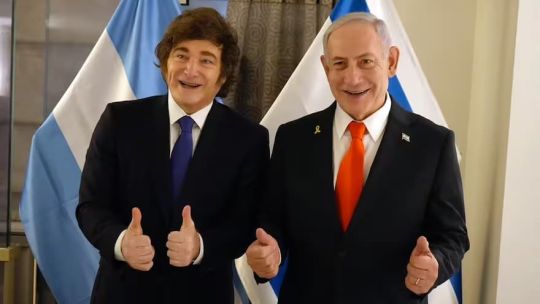
More importantly, Milei should at last absorb the lessons of his most critical political moments last year: widening his project to moderates and popular sectors will strengthen his mandate far more than chasing narrow ideological purity, especially for a government that seems consumed by intrigue and infighting. He should make fewer inconsequential trips abroad – is it really that productive to visit Israel three times? – and hang out more in Argentina’s provinces, where the votes that could secure re-election next year are found. Instead of insulting business leaders and reporters, he should reach out to voters who share his economic and foreign-policy instincts but are put off by his aggressiveness. And he should be ruthless with anyone who brings the taint of scandal, even if they are central to his projects.
Argentina’s previous two presidents failed to win re-election, undone by their inability to resolve the country’s economic problems. Despite the recent turbulence, Milei is well positioned to break that trend. But 18 months is an eternity in politics. To succeed, he will need more than pulling Thiels out of a hat.
related news


by Juan Pablo Spinetto, Bloomberg





Comments