

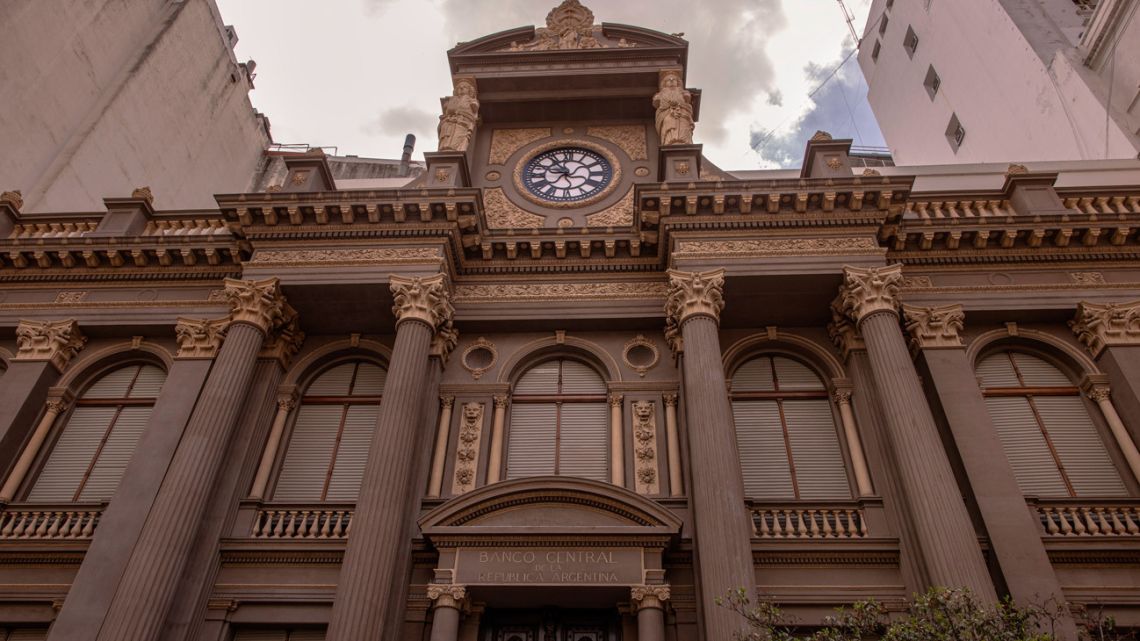
There are few countries in the world right now where interest rates are moving lower. In Argentina, they’re plunging.
Benchmark short-term rates have dropped to 20 percent this month from 50 percent at the end of the year and more than 100 percent in October. The declines — which put rates below inflation — are the result of a push by policymakers to take advantage of a sudden surge in dollar inflows and replenish the country’s depleted hard-currency reserves. As the Central Bank purchases millions of dollars day after day, it pumps pesos into the financial system, swelling the money supply and, in turn, driving down rates.
President Javier Milei’s willingness to let rates sink — rather than hatch some plan to offset those transactions — has caught the attention of investors and analysts in Buenos Aires. To them, it’s a clear sign that, two years into his administration, Milei and his aides are starting to worry about the sluggish pace of economic growth and are keen to get consumers and companies to spend, borrow and spend more.
Economic activity “is now at the top of people’s concerns,” said Maria Minatta, director of local private consultancy Map Latam. For the government, that means “normalising monetary policy, setting a reasonable interest rate and lowering reserve requirements in pesos so the economy can recover.”

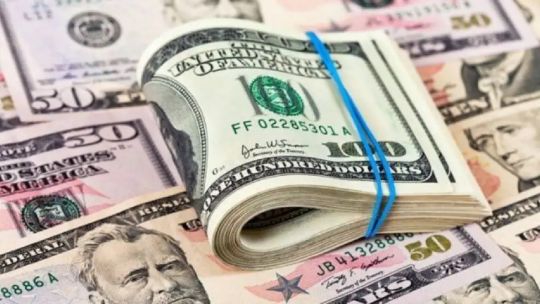
The moves run counter to other emerging market central banks, which are more inclined to raise rather than cut borrowing costs — especially as an oil price surge driven by the Iran war threatens to reignite inflation. Hefty dollar inflows from exports and a still-strong peso have allowed Argentina’s Central Bank to start accumulating reserves. While they’ve fallen slightly this month, they are up nine percent this year to US$44.7 billion.
But the decision to let rates plunge creates a whole new set of risks for Milei. Tumbling rates undercut the rationale for holding pesos, potentially eroding government efforts to keep the currency stable. A weaker currency, in turn, could set the stage for an inflationary rebound: While down from its highs of nearly 300 percent in 2024, inflation is still far from tamed, clocking in at an annual rate of 31 percent last month.
Argentina’s Central Bank did not immediately respond to a request for comment.

Those risks may be acceptable for Argentina’s policymakers, who have walked a tightrope as they fight to spark growth while keeping inflation in check. Although both issues have vexed the country for years, signs of an economic slowdown have appeared in 2026, with unemployment growing and key metrics such as industrial output and construction showing cracks.
Worries over growth and the job market have come to the forefront as a result: a recent survey from Isonomia Consultores showed unemployment leapfrogging inflation on the list of Argentine’s concerns.
Ultimately, the trajectories of the dollar and Argentine peso are likely to determine whether the government’s plan is sustainable. The peso has appreciated by nearly seven percent since the national elections in October, helped by a reopening of external debt markets for the nation’s companies and robust inflows from exporters. With more leeway to accumulate dollars, the Central Bank has purchased some US$2.8 billion since January.

“We are going to buy reserves while people demand pesos,” Central Bank Governor Santiago Bausili said last week during a conference at Argentina Week in New York.
However, a continued rebound in the dollar — which has been buoyed by haven-seeking investors during the Middle East conflict — would undercut the peso’s gains, putting additional pressure on local currency holders already squeezed by falling rates.
At the same time, the interest rate decline is denting the appeal of the peso as a vehicle for carry trades, where investors borrow in a low-yielding currency to invest in one with higher yields.

Gabriel Caamaño, an economist at local consultancy Outlier, wrote that while expectations of exchange-rate stability continue to support carry, “the risks are rising as the dollar strengthens globally and peso rates fall rapidly.”
by Ignacio Olivera Doll, Bloomberg











Comments