

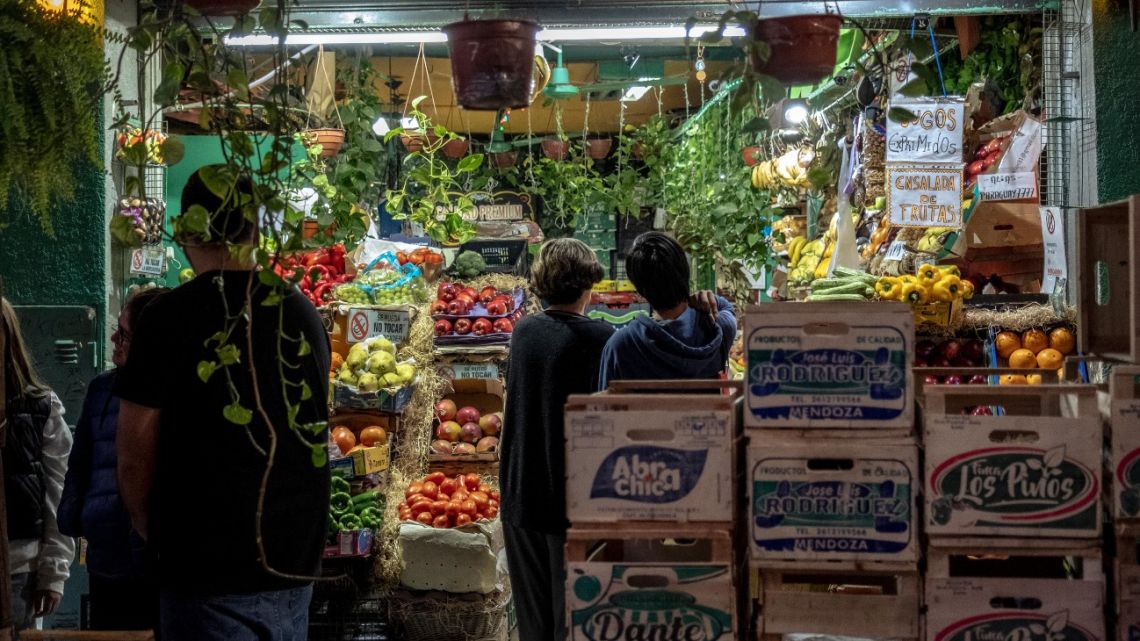
Inflation in Argentina accelerated more than expected and for a fourth straight month in December, a challenge President Javier Milei will have to tackle to incentivise foreign direct investment.
Consumer prices rose 2.8 percent in December, above the 2.5 percent median estimate of economists surveyed by Bloomberg. Annual inflation ticked up to 31.5 percent percent, the lowest year-end figure since 2017, according to government data published Tuesday.
Transportation, utilities and food were among the categories that led price increases above the headline figure last month.
Prices have been running above two percent a month since September on seasonal pressures, namely beef. Tourism and regulated services also likely weighed on the December print. In September, Milei lost a local Buenos Aires Province vote to his leftist rivals and sparked a run on the peso. The president rebounded with a landslide victory in October that helped to stabilised the currency.

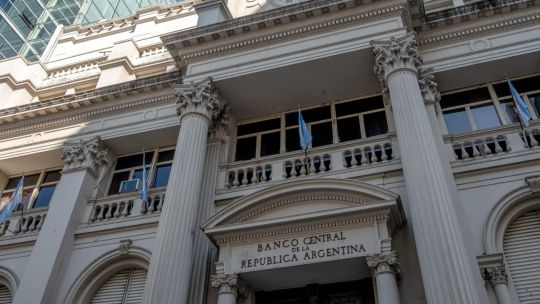
Argentina’s Central Bank announced last month that it would adjust its foreign exchange framework to ensure a faster build-up of foreign reserves. Previously, to rein in inflation, the peso was allowed to trade within a narrow band that widened by one percent each month. As of January, the band is now set by monthly inflation. December’s monthly inflation rate means the trading rang will expand at a faster pace in February.
Annual inflation in Argentina is expected to slow down to 20.1% percent in 2026, according to the latest Central Bank survey of economists. Growth is expected at 3.5 percent.
by Manuela Tobias & Patrick Gillespie, Bloomberg










Comments