


Argentina’s monthly inflation slowed to the lowest level in 14 months, in a win for President Javier Milei.
Consumer prices rose 1.7 percent in August, in line with the median estimate of economists surveyed by Bloomberg. Monthly inflation had picked up to 2.1 percent in July.
From a year ago, inflation slowed down marginally to 33.5 percent from 33.8 percent, a tick lower than the 33.6 percent median estimate, according to data published Thursday by the INDEC statistics agency.
Food and beverages led price increases. Housing and utilities saw the biggest price hikes, while clothing and shoes fell 0.6 percent – reflecting end-of-winter sales. Recreation and culture costs stayed flat after the winter holidays season ended.

A stable peso likely helped curb prices. The currency has depreciated only 12 percent in nominal terms over the past year.
“Another moderate inflation print in August suggests Argentine price pressures have eased somewhat against a backdrop of soft growth and a stable peso. The modest drop, however, also highlights strong inertia,” said Jimena Zúñiga, Bloomberg Latin America geoeconomics analyst.
“Trying to squeeze further progress on inflation through exchange-rate stability would be a policy mistake, in our view, given the cost in real appreciation and activity. We expect greater policy pragmatism ahead, which should allow inflation to remain moderately elevated and above consensus expectations.”

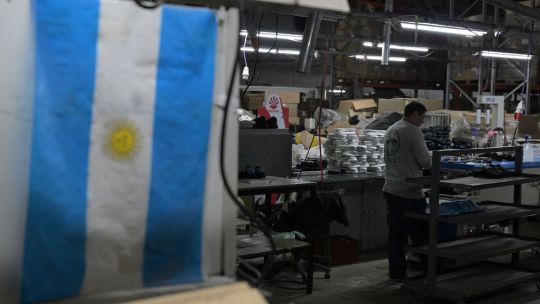
While the slowdown in inflation gives Milei something to celebrate, economic activity has been faltering. Construction in July fell 4.5 percent on the year, while manufacturing fell nearly five percent. Energy, mining and agriculture exports remain the main drivers of growth, but contribute little to boost formal employment.
Economists have cut their growth forecasts for this year to 2.1 percent from 3.5 percent last December, far from the five percent growth his government penciled into its annual budget. Those same economists surveyed by the Central Bank also forecast a 2026 year-end inflation rate of 30 percent, up from 20.1 percent last December.
by Manuela Tobias, Bloomberg













Comments