

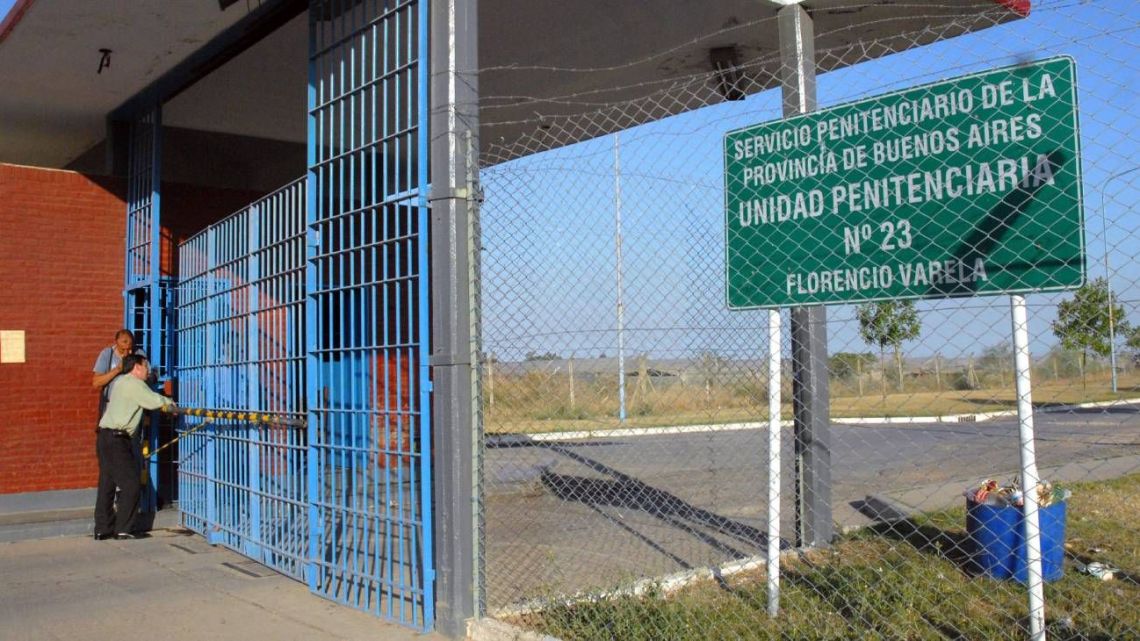
Imprisonment in Argentina reached its peak at the end of 2024 – according to a new report, the national penitentiary system housed a total of 121,443 imprisoned people amounting to a rate of 258 detainees for every 100,000 inhabitants nationwide.
The report, composed by the National Committee for the prevention of Torture (CNPT), shows that five provinces exceed the national average. The province of Córdoba, with nearly 377 imprisoned people for every 100,000 inhabitants, ranked first followed by Mendoza Province at 308, Buenos Aires Province at 305, and the provinces of Santa Fe and Salta, with just over 250.
According to the CNPT, over the last 25 years, Argentina’s prison population has increased at an annual average of six percent. The year 2020 was the only exception, mostly due to the start of the Covid-19 pandemic. This indicates that the trend is sustained and growing – in 2024, the increase was even greater, as high as 7.1 percent.
This disappointing track record is combined with staggering overpopulation at penitentiary facilities. According to the CNPT report, prisons are operating at 130.2 percent of their capacity – that is, where there should be 100 people jailed, there are an average of 130.

During the last year, several provincial governments – including Buenos Aires, Jujuy, Santa Fe, Santiago del Estero and Tucumán – opened new penitentiary units, increasing their capacity. However, this did not translate into actual relief for the wider system, since most of the new spots were filled by the transfers of detainees being held at police stations.
In its report, the CNPT states that the solution to this problem is not merely the expansion of the penitentiary network. It highlights several systematic and structural issues including more individuals being remanded in custody, an increase in the number of people serving short sentences, stricter criminal legislation, the courts’ reluctance to impose alternative penalties to prison sentences and the absence of court and executive mechanisms to control overpopulation.
As for the procedural situation, the CNPT data show that most imprisoned people have a final conviction. Currently, around 62 percent of the prison population has been convicted, whereas 37.3 percent still face prosecution or have received no confirmed sentence.

The province of Neuquén heads the rankings of people with a final conviction, at 99.6 percent, followed by Chaco, Chubut and San Juan, which exceed 90 percent. Conversely, such provinces as Formosa (51 percent), Córdoba (49 percent), Buenos Aires (43 percent) and Misiones (39 percent) have above-average levels of imprisonment without a conviction.
As for the actual specific crimes, the report points out that crimes against property are responsible for the majority of the imprisoned population, reaching 36.4 percent. Crimes against individuals (21.7 percent) and crimes against sexual integrity (20.5 percent) follow in the scale.
It further indicates that the main crimes persecuted by the criminal system are linked with social vulnerability and gender issues. In particular crimes related to narcotics affect women and trans people differently.
Conversely, crimes against property have a higher incidence among boys. Nearly four out of ten people are detained for this reason. Among women, the figure goes down to nearly three out of every ten, and among trans people two out of ten.
Another aggravating circumstance for penitentiary overpopulation are short sentences. Some 17 percent of the convicted population are serving sentences of up to three years – that is, for crimes of low or no harmfulness.
As for people detained under safety measures for mental health reasons, as of the close of 2024, 256 people were in this situation, which accounts for 0.2 percent.
The CNPT lays special emphasis on these cases, which must be treated even more delicately and all the persons guaranties must be observed, which oftentimes is not the case, and the overcrowding situation does not contribute to an improvement in this aspect.
– TIMES/NA











Comments