

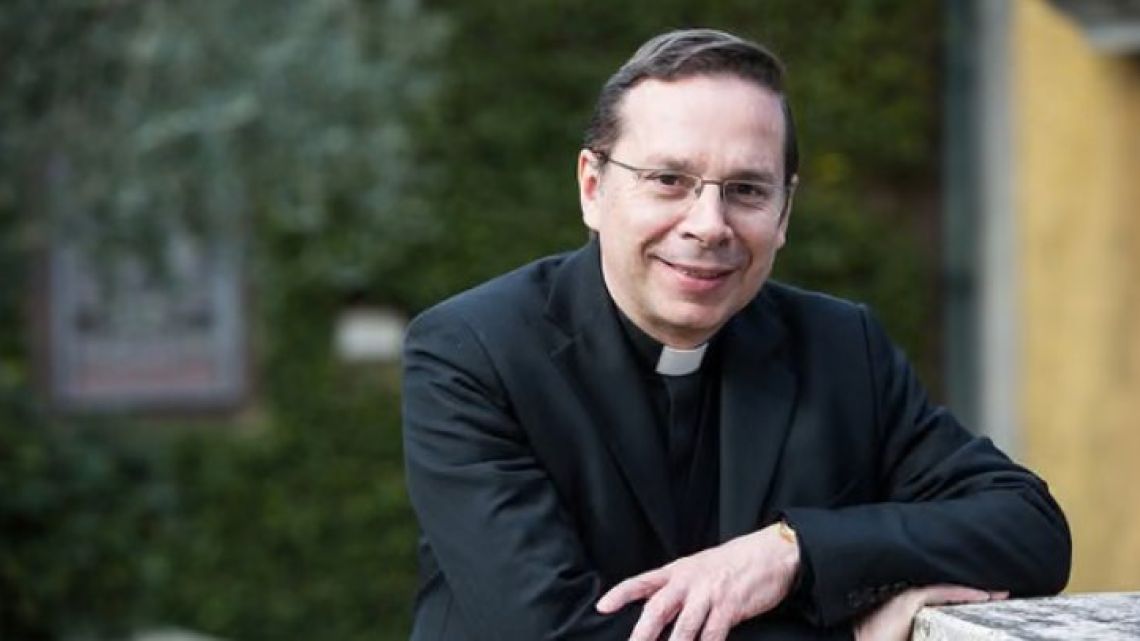
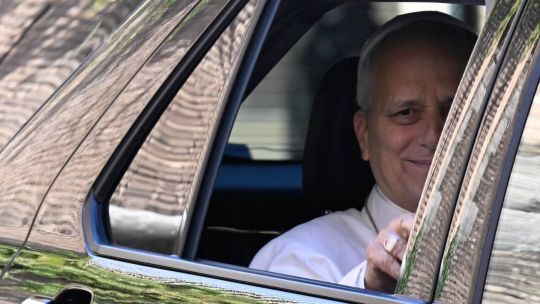
Federal judge Daniel Rafecas has summoned Father Mariano Fazio, currently the auxiliary vicar-general of Opus Dei worldwide, and two other priests occupying executive posts in Argentina to testify as part of an investigation into the alleged labour exploitation of persons reducing them to virtual slavery
As well as Fazio, the summons also extends to Father Gabriel Dondo Lascano, formerly in charge of the female wing of Opus Dei in this country, and Father Víctor Urrestarazu Villarroel, who succeeded Fazio at the regional level.
The summons stem from the case of a woman identified only as ‘M.I.E.,’ who entered the organisation during her teens and remained part until March 2015, during which period she worked as an assistant numerary in different residences and training centres.
The plaintiff denounced having worked long days of housekeeping without controlling her earnings and with restrictions on her family links and personal decisions.

The investigation began in 2022 with dozens of women denouncing. Argentina’s PROTEX (Procuraduría de Trata y Explotación de Personas) human-trafficking body identified at least 44 possible victims, who say they were recruited in their teens with the promise of continuing their studies and later assigned to unpaid housework for the institution.
After learning of the court decision, the Prelature of the Holy Cross and Opus Dei rejected criminal charges being lodged in these cases, denied any concrete links between the summoned priests and the plaintiff and declared themselves ready to cooperate with the authorities.
In a communiqué, Opus Dei maintained that the summons is a step towards clarifying a situation which they consider to be marked by accusations lacking any real or legal
basis.

Rafecas believes that the testimony and documentation permit the three priests to be considered suspects and that, in this case, they would not be protected from criminal prosecution by the statute of
limitations.
– TIMES/NA/PERFIL
related news
Argentina awaits key international ruling on bid to halt Malvinas oil exploration
Caputo: Argentina has activated US$5-billion Chinese currency swap to guarantee debt repayments
Santilli says Argentina's gold reserves are 'perfectly safe'









Comments