

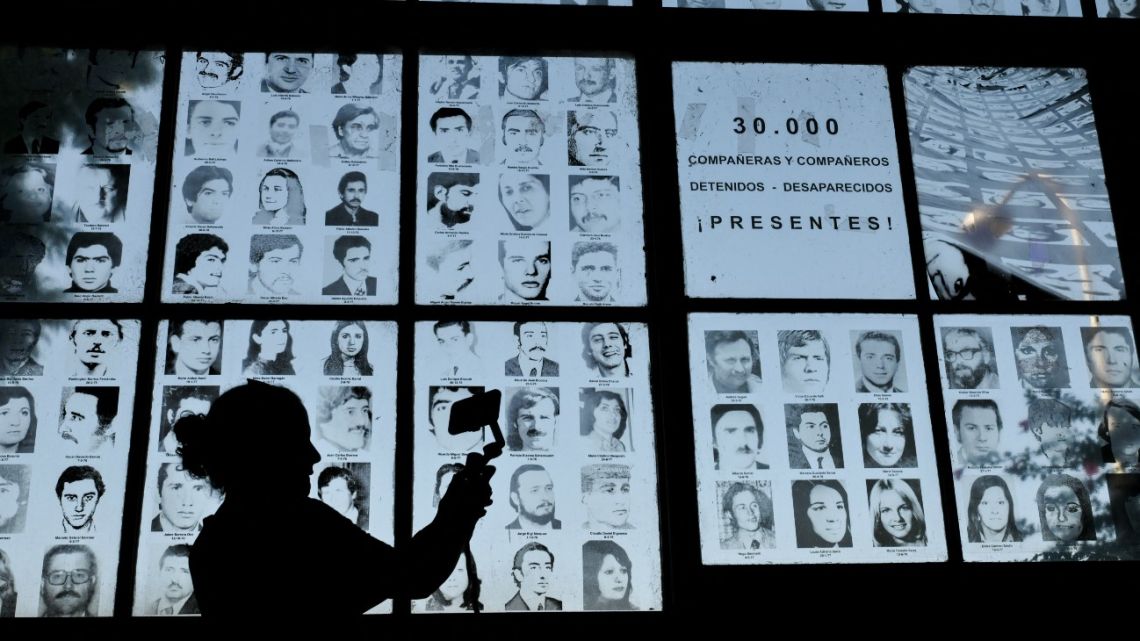
In Argentina, March 24 is a day of mourning, marches and political disputes. Fifty years after the coup d’état that brought the military junta to power, tens of thousands of people will once again take to the streets this Tuesday to remember the victims of a dictatorship that President Javier Milei’s government is seeking to reinterpret.
Under the slogan 'Nunca más' (“Never again”), which marked generations, human rights organisations, trade unions and social groups will gather for their annual march, carrying photos of the disappeared in a large demonstration in Buenos Aires that will centre on the famous Plaza de Mayo.
Human rights organisations estimate that 30,000 people were disappeared during the dictatorship.
The Madres de Plaza de Mayo and Abuelas de Plaza de Mayo will be leading the march, continuing a tradition that began during the dictatorship, when they started gathering each week to rally and demand to know the whereabouts of their children and loved ones.

The search continues. A court in Córdoba recently identified the skeletal remains of 12 people found last year in a former clandestine detention centre.
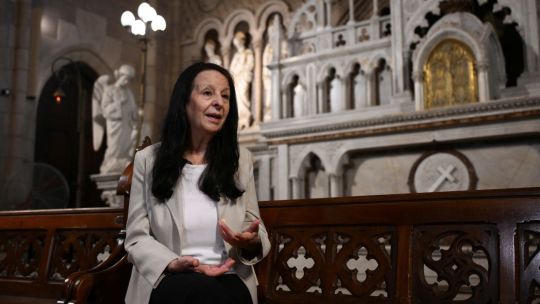
“We thought that after a few days of torture people would reappear. But that did not happen,” said Miriam Lewin, a 68-year-old journalist who was 19 on the day of the coup.
She was living underground when, in 1977, she was kidnapped, tortured and eventually transferred to the ESMA Navy Mechanics School, one of the main clandestine detention centres that today stands as a sombre museum in Buenos Aires.

“Like in the Nazi camps, those who had certain skills survived,” said Lewin. Hers was writing reports and translating texts: “We lived alongside the screams of torture while maintaining an almost office-like routine.”
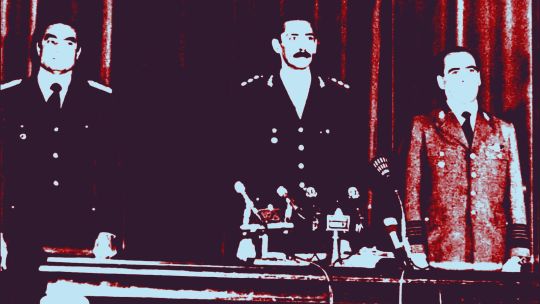
The 1976 civil-military coup overthrew Isabel Perón and established a dictatorship ruled until 1983. It emarked on a campaign of disappearances, torture and baby thefts, forcing thousands into exile.
Fifty years on, 1,208 people have been convicted in more than 350 trials, but more than 300 cases remain open.

The Abuelas de Plaza de Mayo have restored the identities of 140 grandchildren who were kidnapped as babies or born in captivity. The group estimates that more than 300 are still yet to be found.
“Condemnation of the dictatorship, of the systematic plan of persecution, torture and disappearance, is still strong among most of the Argentine population,” said Iván Schuliaquer, a political scientist at the National University of San Martín.
But the anniversary finds Argentines in the midst of a political battle over how this violence is remembered. President Milei questions the general consensus established since the return of democracy.

Milei’s government puts the number of disappeared at fewer than 9,000 and argues that during the dictatorship’s years in power, there was a war in which excesses were committed on both sides. Officials have downplayed the military’s crimes, describing it as part of a confrontation with armed organisations.
Last year, on the anniversary, the Casa Rosada released a video along those lines in which writer and far-right theorist Agustín Laje argued that history had been taught in a “Manichean and reductionist” way. This year, it will release another controversial video.
Most of society does not appear to support this version of events. A recent study by the University of Buenos Aires (UBA) and the Centre for Legal and Social Studies (CELS), based on 1,136 interviews across the country, found that seven out of ten Argentines condemn the military dictatorship.

On the eve of the anniversary, United Nations rights experts called on Milei’s government to “cease actions that erode the historical legacy.” Argentina’s bishops also spoke up, urging that history should not be “mutilated.”
“Something in the democratic pact has been broken with this government,” Schuliaquer said. However, the human rights movement “still has a capacity for discursive mobilisation, street mobilisation and public visibility that still has no opponent on that scale.”
related news

by Leila Macor, AFP








Comments