

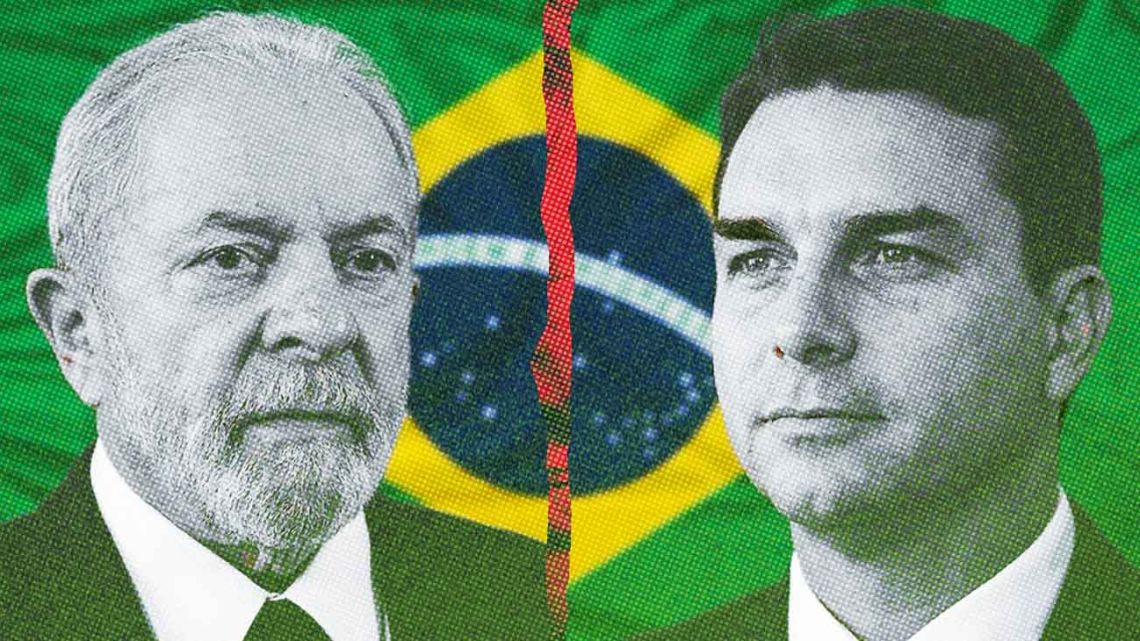
The importance of tomorrow’s election in Brazil can be overrated or underestimated with equal ease. This polarised race can be given an international dimension with the South American giant a knight or bishop at the very least on the global chessboard disputed by the superpowers United States and China, each with a clear preference in tomorrow’s contest – US President Donald Trump favouring the far right’s Flávio Bolsonaro (as does Javier Milei with equal fervour) while Beijing’s Xi Jinping stands by his BRICS ally, incumbent President Luiz Inácio Lula da Silva.
Yet a closer look blurs this clarity somewhat. Starting with Milei, who would obviously be thrilled by a Bolsonaro win, giving the far right a virtual clean sweep of the subcontinent but also altering a status quo making him Trump’s only G20 pal in the hemisphere (with Canada and Mexico alienated along with Brazil’s Lula) – would he relish being replaced by Flávio Bolsonaro as the Donroe Doctrine’s top gun down south? The vociferous Trump has been strikingly quiet on Brazil of late, perhaps finally learning from the counterproductive impact of his support for the conservative opposition in Canada and Australia. Given that Jair Bolsonaro did not make any move to take his country out of BRICS during his 2019-22 Presidency, it is unlikely that his son would be any different – Brazil’s dynamic agricultural sector bulks too large in the Bolsonaros’ three Bs (“beef, Bible and bullets”) to forfeit the huge Asian market while Chinese investments have started expanding from infrastructure into the industrial sector.
If the global dimension of this election can be overestimated and oversimplified, it is equally easy to downsize tomorrow’s first round as merely a curtain-raiser for Brazil’s real choice in a seemingly inevitable October 25 run-off. Yet the apparent deadlock between the two extremes is not immune to several variables, including turnout in an electorate of 159 million citizens – those not voting could prove more decisive than those who do. One key unknown is the many anti-Lula centrists who also find Bolsonaro over the top – are they hiding their vote out of shame to admit that they will finally be voting for Bolsonaro, thus potentially giving him an unexpected lead, or will they vote for centre-right third parties or not at all, perhaps even to a degree handing Lula a first-round triumph against all the odds?
Another key segment is the evangelical vote with Protestant Brazil now approaching a third of the population – the more prosperous tend to be overwhelmingly in Bolsonaro’s camp but the many poor people seeking solace in religion could face a conflict between Lula’s package of electoral goodies and loyalty to their pastor. That package includes a 15 percent hike in the Bolsa Familia poverty relief programme, an aggressive initiative to alleviate household debt (an issue which will be familiar to Argentine eyes) with the Finance Ministry buying up discounted consumer debt to help cash-strapped Brazilians clear their negative credit, a ban on online betting seen as a key factor in that collapse of household finances and intervention to lower fuel prices jacked up by Middle East conflict. If many Argentines imagine that they have a unique problem with debt arrears hitting six million families, no less than 82 percent of Brazilian households are in the red – a difference rooted in credit accounting for 54 percent of the Brazilian economy as against a mere nine percent here.

One major difference between Argentina and Brazil lies in market attitudes. In this country markets are spooked by the prospect of a Kirchnerite comeback, a factor going far towards explaining the current economic stagnation amid an export boom. In Brazil, Bolsonaro is clearly perceived as the market-friendlier candidate but big business has worked out a comfortable enough co-existence with Lula in his three presidential terms – if Lula’s Partido Trabalhista governs while respecting the independence of a Central Bank with reserves of US$375 billion, there seems no real reason to fear financial or monetary instability resulting from his re-election.
The outcome of Brazil’s presidential election will obviously impinge on the relationship between South America’s two giants, a relationship currently shattered by Milei’s compulsion to insult his Brasília colleague whose veteran envoy Julio Bitelli remains unable to return to his 9 de Julio Embassy. But whether that tension continues with Lula’s triumph will depend on Brazil’s 159 million voters while the importance of a Bolsonaro win against the opinion poll forecasts will not only depend on them but also on an electorally vulnerable Trump’s midterm fortunes next month.










Comments