

Argentina has secured its first-ever international financing for a liquefied natural gas (LNG) export project.
Oil and gas companies working towards a start of exports in late 2027 have locked in US$900 million from global capital markets to build a dedicated pipeline connecting the Vaca Muerta shale fields with the Río Negro coast.
The Southern Energy project (SESA) closed the deal through the San Matías Pipeline (SMP) special purpose vehicle – the same pipeline that stirred controversy earlier this year over India-made pipes, Grupo Techint's loss of the tender, and President Javier Milei's mockery of the group.
The consortium comprises Pan American Energy (30 percent), YPF (25 percent), Pampa Energía (20 percent), Britain's Harbour Energy (15 percent) and Norway's Golar LNG (10 percent). The deal marks a milestone, unlocking financing for the core infrastructure Argentina needs to begin shipping gas to Europe and the rest of the world.

The syndicated loan was arranged by Citi, JP Morgan, Santander and Itaú, joined by BBVA, Bladex, Barclays, ICBC and the Bank of China. The US$900 million raised covers the bulk of the project's total cost, projected at US$1.3 billion, with the remainder to come from direct equity contributions by shareholders. Repayment is not guaranteed against the oil companies' balance sheets but is instead backed by the project's future cash flows, underpinned by long-term transport contracts, with a seven-year repayment schedule including a three-year grace period.
The project's legal protections were sealed in June, when it was admitted to the Milei government’s Régimen de Incentivo para Grandes Inversiones (RIGI) investment incentive scheme. It has since received environmental impact approval from the Neuquén and Río Negro provincial governments.
On the ground, the pipeline will run 472 kilometres with a 36-inch diameter, designed to carry 27 million cubic metres of natural gas a day from Tratayén to the LNG system on the Río Negro coastline.

The main pipeline construction contract went to the Víctor Contreras-Sicim consortium for US$533 million, after it undercut Techint's bid by US$85 million. It is the same project that stirred controversy in January, when Indian firm Welspun won the tender to supply the pipes. President Milei piled onto Paolo Rocca's defeat at the time, calling the Techint chairman "Don Chatarrín" (roughly, "Mr Scrap") – a jibe the steel magnate answered publicly.
The winning joint venture (UTE) not only offered the lowest price among five bidders, it also brought decisive advantages: no advance payment was requested, it guaranteed fit-for-purpose operability (strict adequacy to the design's intended purpose) and it presented stronger reinsurance guarantees.
Meanwhile, construction of the intermediate compressor plant in the town of Allen – a key facility with 46,000 HP of capacity – was awarded to OPS for US$96 million. In this competitive tender, OPS edged out heavyweight rivals including Pecom, BTU, Contreras itself and Techint (known in the market as "la T") in the final stretch, offering the most competitive terms on guarantees and payment facilities.

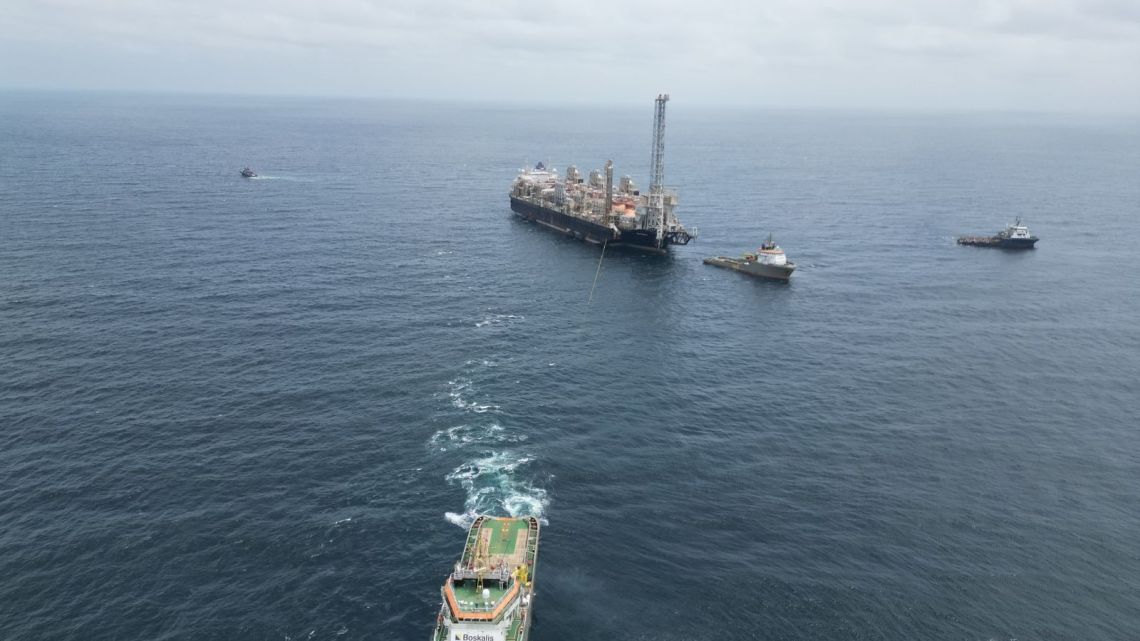
With construction set to begin this August and completion slated for mid-2028, this pipeline will form the backbone of SESA's export infrastructure. It will supply two floating liquefaction terminals to be installed off the Patagonian coast – the vessels Hilli Episeyo and Esperanza (previously named MKII). These floating units will come online in 2027 and 2028, reaching a combined capacity of 6 million tonnes of LNG a year.
The consortium's business plan projects US$20 billion in exports between 2027 and 2035, driving total investment of more than US$15 billion over the next two decades.












Comments