

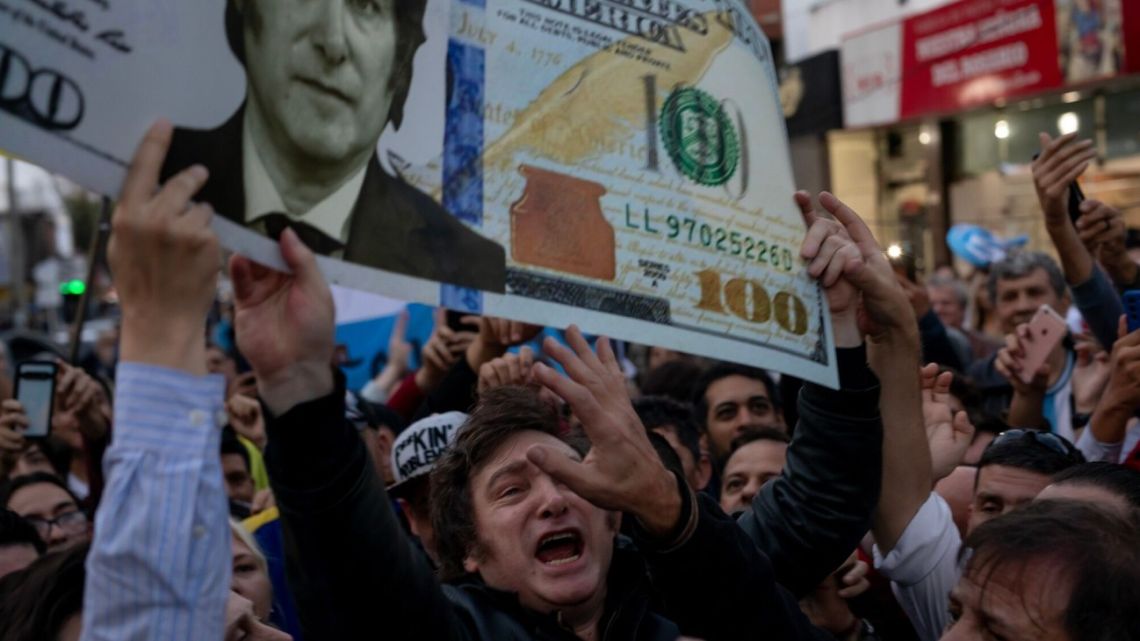
You’d be surprised how damp and smelly dollar bills get, Alejandro Lamas says, when they’ve been squirrelled away under a mattress for years. He’s gotten so many stacks of them from Argentines he’s sold used cars to over the years that he’s a bit of a connoisseur. Slip him a counterfeit and he knows at first touch.
It’s a skill that’s just as important to him today as it was when Lamas peddled his very first used car in Buenos Aires four decades ago, and it looks like it will be for the foreseeable future. President Javier Milei’s latest effort to coax Argentine savers to deposit their cash in dollar-denominated accounts is struggling to gain traction, highlighting the singular distrust citizens still have for the government and banks.
Almost 25 years after a financial crisis that saw the government forcibly convert dollar deposits into pesos that quickly lost 75 percent of their value, attempts to restore confidence have barely moved the needle. So when savers have extra money to put away for a rainy day or a big purchase, they buy dollars; and many of them keep them in cash.
“Some people are still afraid,” Lamas said at his lot, where an almost new Toyota Corolla Cross was listed for about US$30,000. “Governments here have done all kinds of crazy things in the past – how could you trust them?”

Officials estimate roughly US$170 billion sits outside banks. Unlocking even a fraction of that by putting it to work in the formal financial system could help revive South America’s second-largest economy and unleash the growth that Milei promised would be the reward for enduring harsh austerity measures after years of debt-fuelled spending.
While Wall Street has embraced Milei – rewarding his fiscal restraint by buying up bonds and other assets – a new set of incentives called Fiscal Innocence has so far failed to trigger a meaningful shift among savers. Dollar deposits have risen less than US$1 billion since it debuted in February.
The programme aims to encourage Argentines to bring undeclared savings back into the system by easing reporting requirements and significantly reducing the risk of scrutiny from tax authorities. Those who deposit dollar savings “won’t be asked for explanations,” the tax agency said earlier this year.

Demand for dollars remains strong. Argentines buy about US$2 billion in foreign currency every month – a figure that can jump to more than US$6 billion during periods of political stress such as elections. Officials estimate about 10 percent of these purchases are kept in cash, hidden at home or in safe-deposit boxes, or moved abroad.
“It’s a revolutionary law, but you can’t impose things by force,” Milei said in a recent interview, venting a hint of frustration. In response to questions, a spokesman for the Economy Ministry pointed to data showing that dollar deposits are at their highest level since at least 2001.
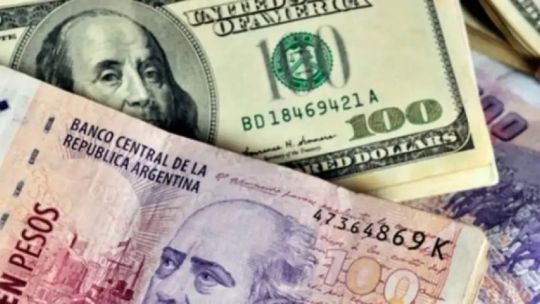
Argentina’s hoarding culture runs so deep that it has its own local quirks. Older US$100 bills are called cara chica, or small face, because they feature a smaller portrait of Benjamin Franklin in a series that stopped being issued about 30 years ago. They tend to trade at a slight discount to newer cara grande bills in Argentina’s informal market, conducted on street corners, mall kiosks and back-alley shops in places like the Calle Florida shopping district in Buenos Aires.

Handling that cash has become second nature for local merchants, especially those selling big-ticket items when shoppers are most likely to use dollars.
“Argentine shopkeepers know how to spot fake US dollars better than Americans,” Lamas said. Often, he said, it comes down to touch – running fingers across the bills to test the paper, a feel honed over years of dealing with worn notes. “It’s a skill you pick up quickly here – even if a bill is old and worn, you can tell right away.”
Marcelo Capobianco, a butcher in a working-class Buenos Aires suburb and a supporter of Milei, says the greenback has always served as his financial lifeboat, especially in times of political stress.

“When the opposition started winning elections last year, it was a big scare and everyone rushed to buy dollars again,” he said. “When your money loses value, everyone runs to the dollar – no-one here saves in pesos, and if you do, it’s game over.”
Argentines’ distrust of banks is rooted in the country’s 2001 financial meltdown, when the government – desperate to keep dollars in the economy – imposed the so-called 'corralito' that converted dollar deposits and limited cash withdrawals. The years that followed brought repeated currency crises, inflation spikes and political upheaval, reinforcing a habit of saving outside the financial system and buying dollars as protection against devaluation. The Central Bank allows the currency to gradually weaken and it has lost 99 percent of its value in the past decade.
Still, Economy Minister Luis Caputo has repeatedly insisted that things are different now, urging Argentines to bring savings into the formal system. He frames it as a win-win: Argentina can boost economic activity while savers get returns for cash otherwise sitting at home.

“Many people keep their money at home, losing value, when they could take it to the bank,” he said in a local TV interview this month. The fear of a return to a free-spending government, he said, is holding many people back, especially with presidential elections looming in 2027.
State-owned Banco Nación has also leaned into the effort, employing a dose of humor. Using the slogan “Lighten Your Mattress,” the lender has rolled out ads featuring worn-out beds complaining they can’t sleep because they are “stuffed” with their owners’ anxieties.
To be sure, confidence in Milei administration is the highest for any government in decades. Dollar deposits in the banking system have climbed to almost US$40 billion.

“The dollars coming in through fiscal innocence are still trickling in,” said Adrián Yarde Buller, chief economist at Facimex Valores. “The potential is enormous given the scale of assets Argentines hold outside the system, but it will take more than this law to change behaviour. You need to rebuild trust in institutions – and that takes time.”
Lamas says he agrees with the government’s message that it’s safe to save within banks. He deposits the profits from his business. But he knows that for many people, the trauma of old scars remain.
“It’s been 25 years since the corralito and people still remember,” Lamas added. “Fifty years of instability made Argentines the way they are – it will take another 50 of governments doing things right to make them forget.”
related news
by David Feliba, Bloomberg








Comments