

When Donald Trump grew worried about US beef prices spiralling higher, he called on ally Argentina to send more supplies. The storied ranching nation hasn’t taken long to deliver, shipping over cuts this year at an unprecedented clip.
It’s a prime example of how the US president can manipulate trade in his favor, even under a broader bilateral deal. The move was designed to help bring down beef prices ahead of the US midterm elections. But in Argentina, where exporters are now increasingly turning to better-paying US clients over China, they’re supercharging a trend that won’t benefit free-market leader Javier Milei ahead of his re-election bid next year.
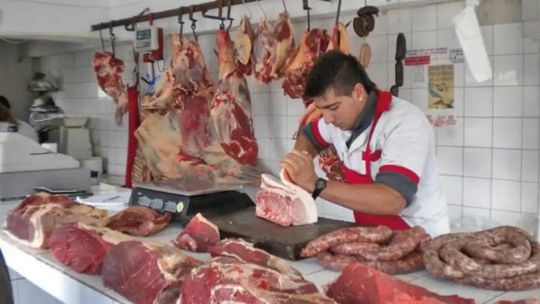
Argentine butcher shops are hiking prices far faster than wages can keep up, sending beef consumption – in a country where gorging on weekly barbecues is regarded a birthright – to record lows.
“Gaining access to a high-income market like the US piles on pressure as local prices immediately start converging up toward export prices,” said economist Emmanuel Álvarez Agis, who heads Buenos Aires consultancy firm PxQ. The ranching cycle compounds that by worsening scarcity as cows are kept for breeding rather than sent for slaughter, he added.

Over the 12 months through May, the average Argentine consumed 47.5 kilos (105 pounds) of beef. That still puts them on the red-meat-eating podium alongside their neighbours in Uruguay, but it’s the lowest in data going back two decades, according to trade group Ciccra.
While changing food habits have contributed to the longer-term trend, Ciccra attributed the latest 6.1 percent drop from a year ago to beef prices running ahead of purchasing power. Compound beef inflation was 50 percent in the six months through March, while wages notched just 15 percent compound gains over the same period.
Yet far from the struggles in Argentina, the benefits of Trump’s trade deal with Milei are already showing up in the United States. The agreement increased Argentina’s quota of tariff-free beef exports to 100,000 tons a year from 20,000 previously.

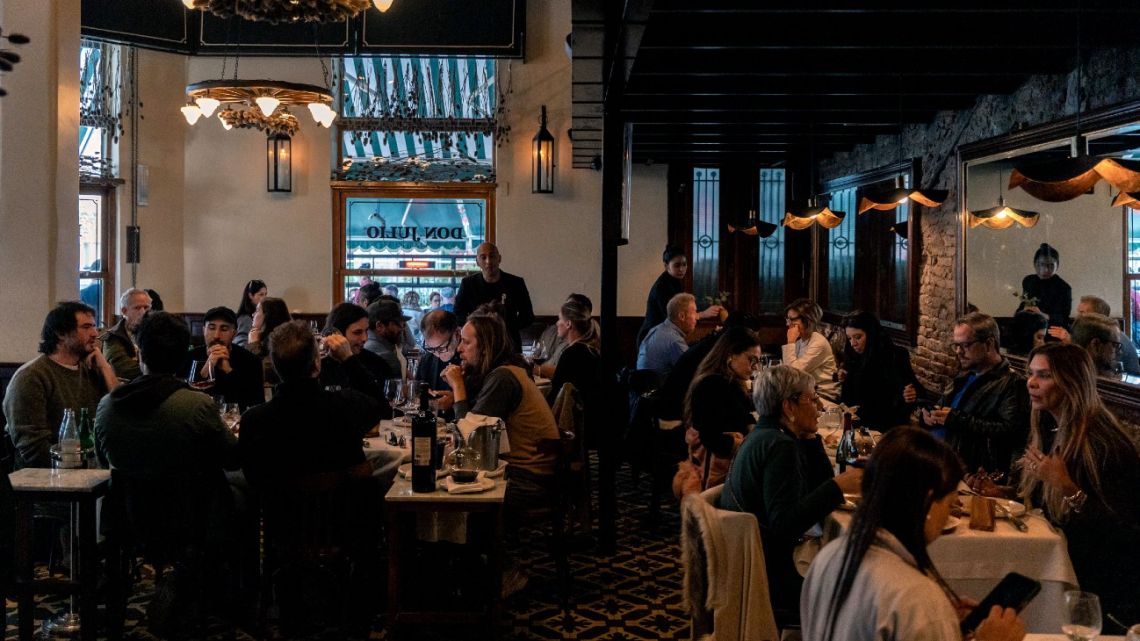
That’s making all the difference for Pablo Rivero, the owner of Argentina’s most famous steakhouse Don Julio. He’s opening up his first bistro in New York’s West Village, Graciela, and the quota cemented his deal with an exporter to bring in cuts that meet his high culinary standards from the famed Pampas farmlands.
“All the decisions you take when you're talking about a big, important business are composed of various little positive signals,” Rivero, whose Buenos Aires restaurant is routinely ranked one of the best in the world, said by phone from New York. “One of those signals has been that quota increase – it guarantees we’ll be able to get our own quality meat brought in by our own provider.”
While cattle herds in Argentina are grass-fed for much of their lives, in the US they spend more time eating grains at feedlots. Graciela’s diners should taste the difference. “American beef tends to be slightly sweeter, while ours has a deeper, more intense flavour and there’s more collagen to the texture in cuts such as rib-eye, short ribs and skirt,” Rivero said.

But the bigger quota also means that Argentina’s exports to the United States are expanding fast past premium steaks to lower-quality cuts used in hamburgers and sausages. That’s just what Trump wanted. It’s part of a multi-pronged strategy to reel in US meat prices at a time when families are planning summer cookouts and headline inflation has hit a three-year high.
For Milei, who was bailed out by Trump during a bout of turmoil last year, the agreement also delivers on a pledge to open up markets for farmers. A key part of his support base, Argentine ranchers for years sent the majority of their beef shipments to China.
Argentine beef sales to the US jumped 204 percent in April from last year and fetched US$8.25 a kilo, according to Ciccra. Cargoes to China, where importers paid just US$6.24, slumped 32 percent.

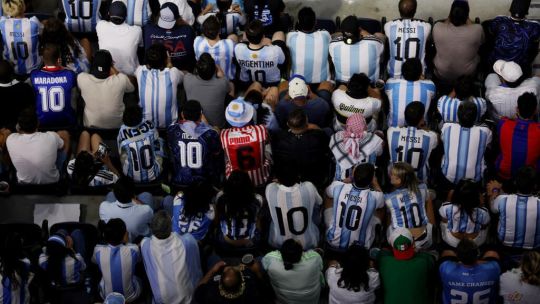
Milei’s government even sponsored a trade trip earlier this year for Argentina’s top meat-packers to advertise in Los Angeles, Chicago and Philadelphia. Intended or not, Argentina's World Cup squad has added to the publicity by hosting massive barbecues, or asados, featuring large meat cuts, grilled provolone cheese and chorizo sausage.
Executives from Grupo Lequio, which has several plants serving both Argentine and foreign markets, joined the government's tour of US cities.
Last year, when the US tariff-free allowance was much lower, Lequio sent across 3,000 tons – about half under the quota and half that was charged a levy of 26 percent. In just the first four months of this year, it has already notched the same amount.

“When the quota is limited, you reserve it for the highest-value products to maximise profitability,” said Santiago Escales, Lequio’s export manager. “But once it becomes so much bigger, you stop worrying about whether to use it for one particular cut or another – you can ship everything. It opens up a lot more opportunities.”
But despite Trump’s efforts, the shipments still aren’t enough to offset the shortage driven by a US cattle herd at a 75-year low. That pushed US ground beef prices to yet another record high in May.
And for Milei, the optics of fresh business deals for Argentine exporters combined with tough-to-afford local prices – a trend that’s also spread to the energy sector – may sit poorly with millions of working-class voters.

While they’ve long been used to the ritual of packing outdoor grills with slabs of beef, for the same price they can now buy twice as much pork or four times as much chicken, according to the Rosario Board of Trade.
“Argentina used to be an outlier when it came to beef prices and domestic consumption – there was an abyss between us and the rest of the world,” Escales said. “Today, things are becoming more rational, though that obviously creates other challenges.”
by Jonathan Gilbert & Patrick Gillespie, Bloomberg




Comments