

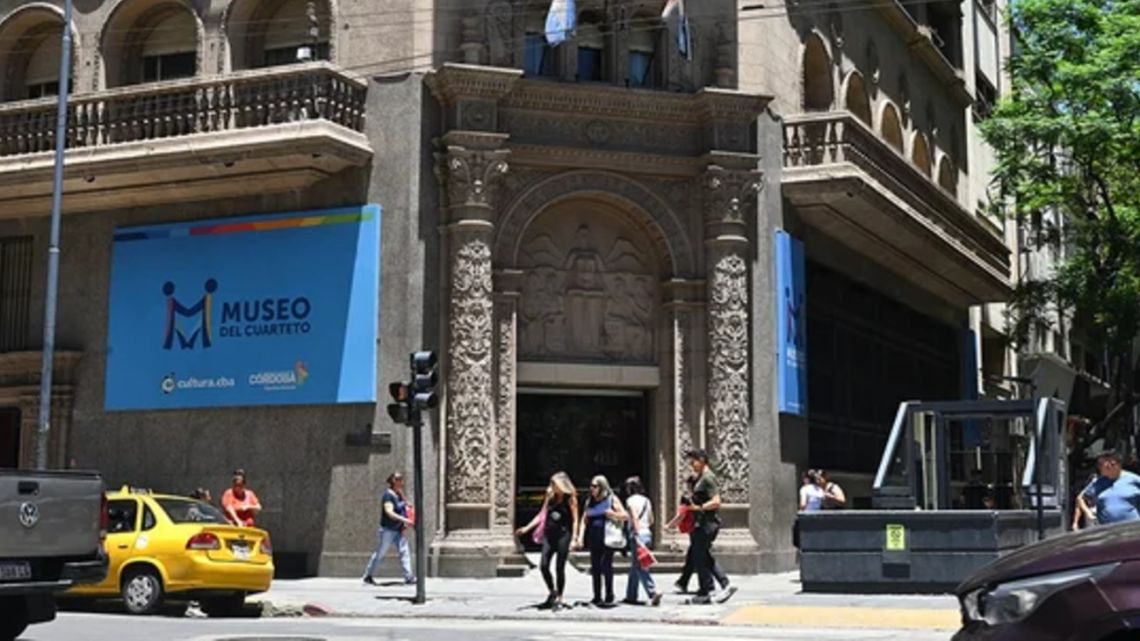
Argentina’s emblematic cuarteto – the dance-driven sound synonymous with Córdoba’s popular culture – has been officially inscribed on UNESCO’s Intangible Cultural Heritage of Humanity list.
The Intergovernmental Committee of the United Nations Educational, Scientific and Cultural Organisation confirmed the recognition on Tuesday during its 22nd session in New Delhi.
The designation comes after the committee evaluated 68 nominations submitted by 78 countries. It places cuarteto alongside tango, filete porteño, chamamé and other Argentine expressions already recognised by UNESCO, as well as global genres such as jazz, reggae, mariachi and flamenco.
Its inclusion marks international acknowledgement of the “tunga tunga” rhythm within UNESCO’s category covering oral traditions, performing arts, social practices, rituals, festive events and the skills communities identify as part of their cultural identity.

Córdoba’s campaign for recognition began in 2020 under then-mayor Martín Llaryora, now provincial governor, and was continued by his successor Daniel Passerini.
“This recognition is not only a prize – it’s a celebration of who we are, our way of living, laughing, finding and sharing excitement. Because in Córdoba we do not listen to cuarteto, we feel it and dance it with all our hearts,” Llaryora wrote on his X account, celebrating the news.
Four on the list
At national level, Cultural Heritage Secretary Liliana Barela welcomed the achievement, noting that Argentina now has four cultural expressions on UNESCO’s lists: tango (jointly with Uruguay), filete porteño, chamamé and cuarteto.
“It’s been a long road finally crowned with success in spreading one of our manifestations abroad and promoting curiosity and tourism,” she said. “Being on the list means being connected – and opening links to the world is one of the policies that best serves this culture.”
UNESCO’s latest round of recognitions also highlighted a further 10 Latin American expressions. They include Cuba’s son – revitalised globally by the Buena Vista Social Club project in the late 20th century – and El Salvador’s Flowers and Palms of Panchimalco, an indigenous-rooted celebration honouring the Virgin Mary.
Other additions include Peru’s Sarawja of Moquegua, combining Aymara music and dance; Chile’s family-run circus traditions; and religious manifestations such as the Feast of the Virgin of Guadalupe in Sucre, Bolivia, and the Passion, Death and Resurrection of Christ in Iztapalapa, Mexico.
UNESCO opened this year’s session by adding 11 practices to its list requiring urgent safeguarding measures, among them Paraguay’s ancestral ñai’ũpo artisanry and Panama’s traditional Casa Quincha building techniques.
Ahead of the New Delhi meeting, which concludes today, 788 practices from 150 countries already formed part of UNESCO’s Intangible Cultural Heritage lists.
– TIMES/AFP/NA












Comments