

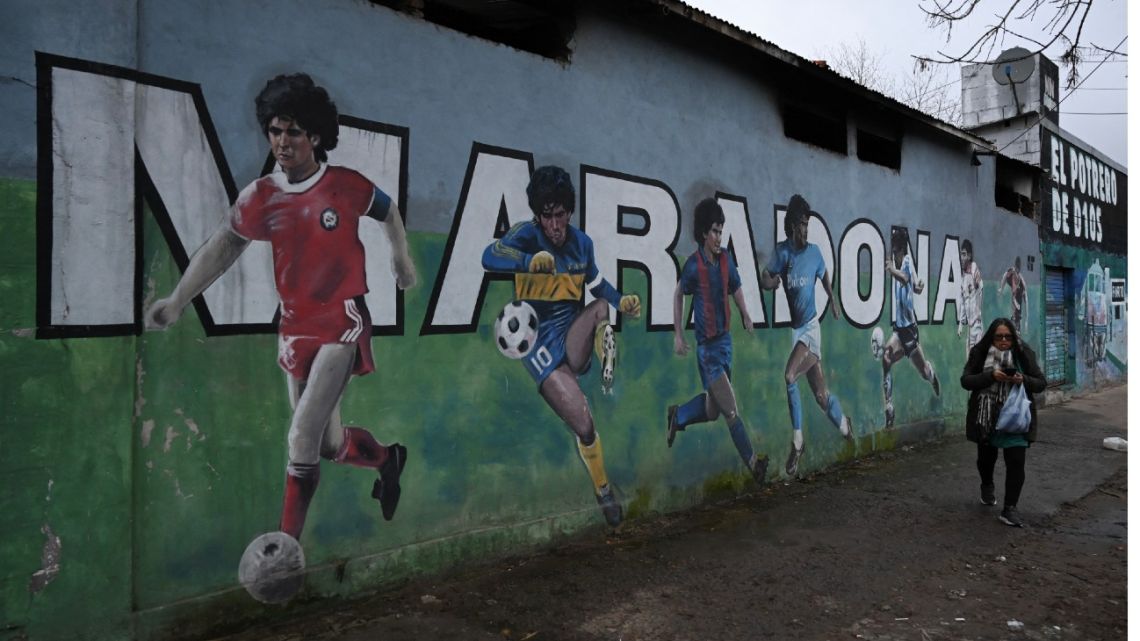
The confusion over Diego Maradona’s medical tests and those of his father “does not change the diagnosis” of his chronic kidney disease, an expert told the trial into the football legend’s death on Thursday, as proceedings resumed after a week of controversy.
Following the error, reported last Thursday and acknowledged by private healthcare company Swiss Medical, prosecutors and the plaintiffs’ lawyers asked two experts who had already testified to appear before the court again: a nephrologist and a cardiologist.
“It was just another factor that is not going to change my diagnosis,” said nephrologist Hernán Trimarchi, who maintains that Maradona suffered from chronic kidney disease before his death in November 2020.
Several members of Maradona’s medical team are on trial accused of homicide. An initial trial into the star’s death had to be annulled in 2025 following a scandal involving one of the judges.

On Thursday, the defence sought to challenge the request for the experts to testify again, arguing that it was an attempt to “reproduce that evidence,” according to Julio Rivas, lawyer for the main defendant, Leopoldo Luque.
But the court rejected the request.
“The prosecution’s request is not aimed at correcting the data in the medical panel’s report ... specifically, its purpose is to establish what relevance the information had within the experts’ reasoning and what impact it had on their medical conclusions,” said presiding judge Alberto Gaig.

The renal tests examined by the experts – 19 in total, covering the period from 2011 to 2015 – contributed to a report by a medical panel that examined the former footballer’s death. Its conclusions were a fundamental, though not exclusive, element in the decision to bring the case to trial.
Maradona died on November 25, 2020, while receiving home-based medical care, the appropriateness, conditions and quality of which are being challenged at the trial.
Seven healthcare professionals are accused of homicide with eventual intent, a legal category implying that they were aware that their actions or omissions could result in the football star’s death.

The trial, which began in April, could continue until at least September. The defendants, who maintain their innocence, face up to 25 years in prison.
– TIMES/AFP



Comments