

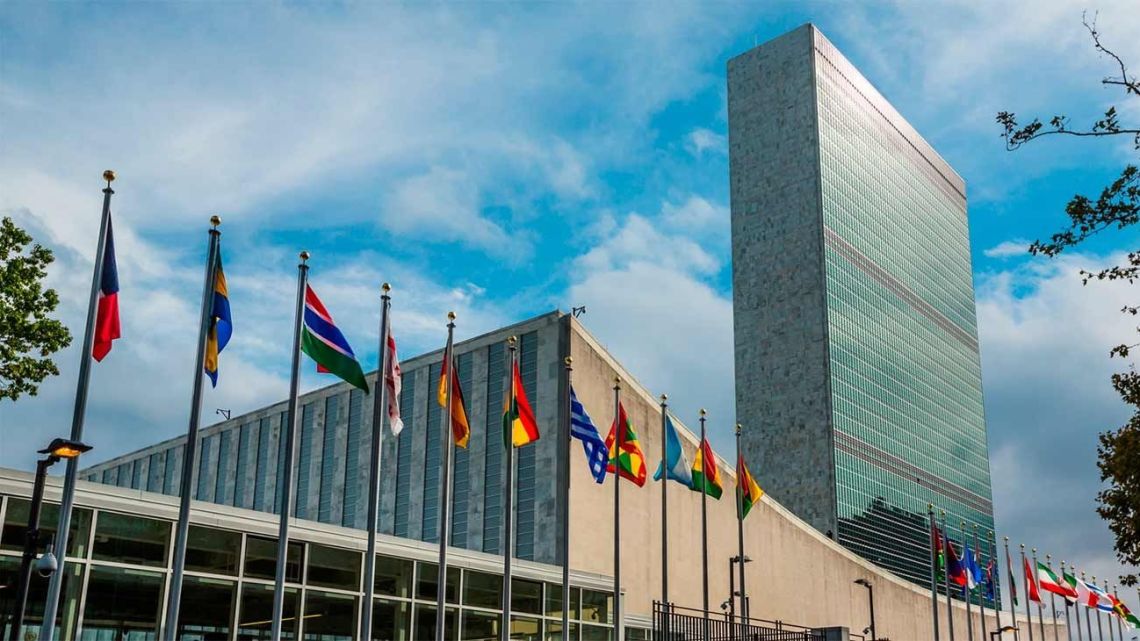
A United Nations committee has criticised Argentina over what it described as an “accelerated regression” in women’s and LGBTIQ+ rights.
In a review held in Geneva, the UN Committee on the Elimination of Discrimination against Women (CEDAW) warned of an “accelerated regression” in protections for women and LGBTIQ+ people, citing deep budget cuts and the dismantling of institutions.
The criticism lands at a delicate moment. President Javier Milei has been fiercely critical of UN agencies and questioned multilateral frameworks, accusing them of ideological bias. His administration has withdrawn from or distanced itself from several international initiatives, including the World Health Organization (WHO), fuelling tensions with global bodies.
During the periodic review, Argentina’s delegation – made up of officials from the Foreign Ministry and other government departments – rejected claims of regression. Representatives described the closure of the Women, Gender & Diversity Ministry as an administrative “reorganisation” and insisted that equality before the law remains intact.

The UN committee expressed concern over the “elimination or significant weakening of institutional mechanisms” designed to guarantee women’s rights and highlighted an 89 percent cut since 2024 in funding to combat gender-based violence.
Particular attention was paid to Acompañar, the financial assistance programme for victims, which fell from supporting more than 102,000 people in 2023 to just over 3,500 in the past year.
While overall crime has declined, CEDAW said lethal violence against women “remains at critical levels” and pointed to “structural shortcomings” in protection systems. According to figures discussed in the session, 247 femicides were recorded in 2025, with restraining orders and other safeguards often proving ineffective.

CEDAW also warned that the national government had stepped back from key responsibilities in sexual and reproductive health, including the purchase and distribution of supplies to provinces. This contributed to shortages of misoprostol and other medication used for legal abortions, as well as interruptions in condom provision during 2025.
The dismantling of the ENIA Plan, credited with reducing teenage pregnancy in recent years, was cited as a further setback.
Funding for Comprehensive Sexual Education (ESI) was eliminated in the 2025 budget. The UN committee stressed that the State has an obligation to guarantee access to age-appropriate sex education in schools, countering arguments presented by Argentine officials that the matter falls “indelegably” to parents.

Access to justice was another flashpoint. Of the 105 Centres for Access to Justice operating in 2023, only 30 remained open by September 2025. The 144 helpline for victims of gender violence also lost much of its staff and no longer has a specific budget line, weakening what the UN committee called its “specialised and comprehensive approach."
CEDAW further warned of increased vulnerability for LGBTIQ+ people, documenting a 70 percent rise in reported hate crimes in the first half of 2025 and criticising official rhetoric that “pathologises” sexual and gender diversity.
UN experts urged Argentina to restore funding and institutional capacity, warning of a widening “gap between legislation and effective enjoyment of rights”.
– TIMES/NA/PERFIL












Comments