

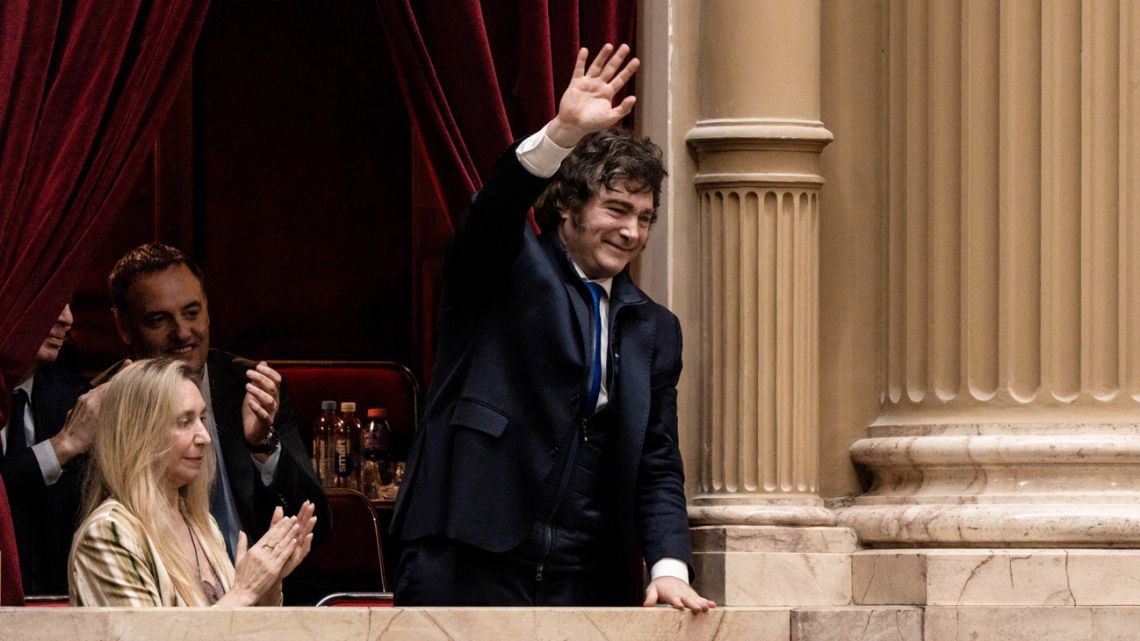
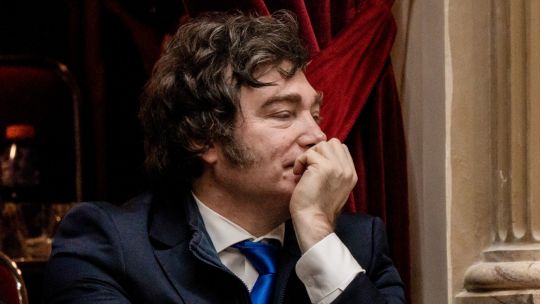
President Javier Milei is preparing to embark on an ambitious push to reform Argentina’s economy when a friendlier Congress takes office Wednesday. Investors hope it’s just the opening act to a much bigger move: dismantling the rigid currency controls that defined his first two years in office.
Milei’s party exceeded expectations in October congressional elections, turning a tiny delegation into the lower house’s largest caucus while capturing nearly a third of the Senate. The victory – with substantial help from Donald Trump – has set the stage for him to muscle through major labour and tax reforms that both Milei and markets see as key to boosting growth and unleashing Argentina’s beleaguered economy.
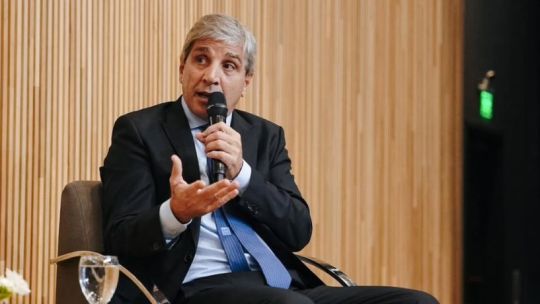
Bonds and stocks have rallied on optimism since the vote, and Economy Minister Luis Caputo announced last week that the government will issue a local law bond in dollars, testing out demand for the nation’s debt for the first time in years.
Argentina currently allows the currency to trade within a strict set of bands, a policy that has helped keep inflation in check. But analysts say it has also created an overvalued peso that is weighing on the economy.

“To trigger a boom in investments, the market says you need to scrap the currency band system and let the currency float,” said Ramiro Blazquez, a Buenos Aires-based StoneX strategist. “Or at least widen the bands significantly.”
Milei’s administration is expected to unveil its labour and tax proposals Tuesday as part of a bigger package of reforms, the next step in his “shock therapy” regimen meant to reverse the fortunes of an economy that’s spent decades in decline.
He’s aiming to boost competitiveness by liberalising labour laws, then cutting taxes on an expanded pool of workers. The drive would make it easier to hire and fire workers in part by curbing their ability to sue employers when they’re fired. It also seeks to bring many of the 42 percent of informal labourers into the formal job market.

Along with the government’s 2026 budget proposal, the package will serve as an initial test of Milei’s efforts to seize the second chance Argentine voters handed him in the elections.
The hard-charging leader has since sought to build alliances that could help him avoid pitfalls that have doomed previous reform-minded president. New Interior Minister Diego Santilli, a political veteran who has cycled through multiple political parties over the years, has in recent weeks met with nearly every provincial governor in a bid to charm local leaders who hold significant sway in Congress.
Milei’s party holds 95 seats – 34 short of a majority – in the lower house after adding moderate lawmakers. The closely-aligned PRO party of former president Mauricio Macri and other factions give it a chance to secure the votes it needs to pass legislation. It holds 20 of the 72 Senate seats but has a majority within reach thanks to allied parties.

Milei has eased export taxes on conventional oil in a nod to governors who’ve urged him to loosen the purse strings to help their provinces. The government also reduced tariffs on soybeans, corn and wheat on Tuesday.
That’s fed optimism that Milei, who battled governors after lawmakers overrode his vetoes earlier this year, can deliver on his legislative agenda. Analysts from JPMorgan Chase & Co predicted after the election that Milei would win approval of the budget and labour and tax reforms. Debate on the labour overhaul is likely to take place as soon as February, according to lawmakers with knowledge of the plans.
Even Peronist opponents like José Miguel Ángel Mayans, the caucus' Senate leader, acknowledge that he’s likely to succeed in finding some common ground on labour reforms.

The peso pressure, however, is only mounting. The currency has pushed Argentines across the border to shop while driving an import boom. It’s made it harder for Argentina’s Central Bank to rebuild foreign reserves needed to finance looming debt payments. Blazquez argued that it also dents the ability of private companies to repatriate dividends, a longstanding gripe.
The International Monetary Fund, which stepped in to help Argentina with a new US$20-billion aid programme last year, has also been pushing for a shift.
IMF spokeswoman Julie Kozack last week urged Milei to use this “window of opportunity” to enact exchange-rate and monetary policies that better support the accumulation of foreign reserves, saying it would be “challenging” for Argentina to meet year-end targets the Washington-based lender has already relaxed.

For now, Milei is riding high. But opponents are also pointing to the peso policy to question his commitment to reducing unemployment, a key demand from Argentines, according to recent polls.
“I live on the border with Paraguay,” said Mayans. “Every weekend is an exodus. We have an expensive country with low salaries. That won’t be fixed even with unanimity in Congress.”
by Manuela Tobias, Bloomberg








Comments